
💳 How Much Money to Bring to Korea (2026 Budget Guide for First-Time Visitors)
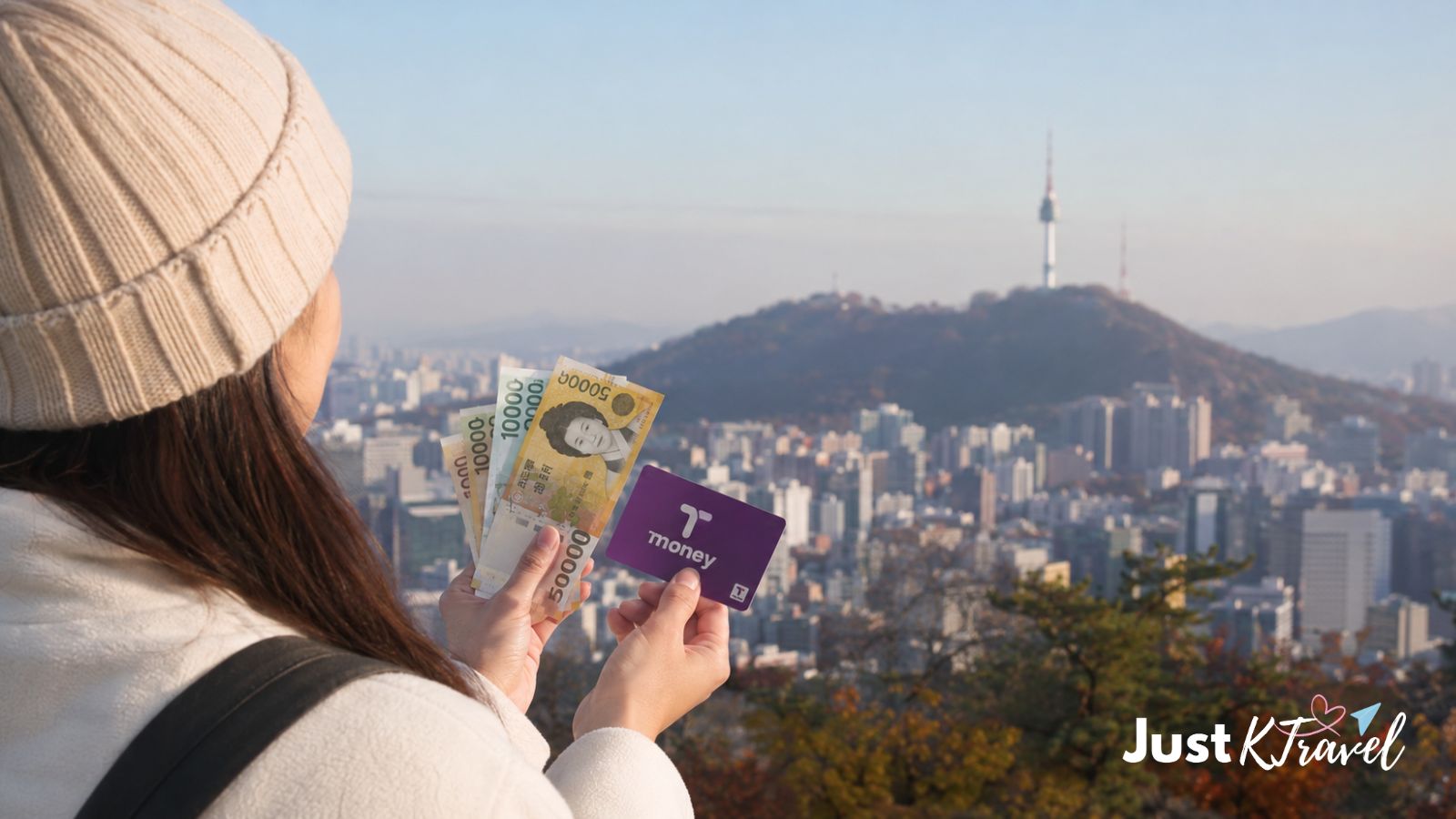
By Richelle (JustKTravel) • Updated July 2026
Table of Contents
ToggleOne of the questions I get asked most is, “How much money should I bring to Korea?”
After living in South Korea for several years and traveling around Seoul, Busan, Jeju, and other cities, I’ve learned that Korea can be much more affordable than many first-time visitors expect. You don’t need a huge budget to enjoy Korea. With smart planning, you can enjoy amazing food, comfortable stays, and unforgettable experiences without overspending.
In this guide, I’ll share realistic 2026 Korea travel costs, daily budgets, and how much money I recommend bringing for different travel styles.
✈️ Don’t forget to include flights in your Korea travel budget.
Flight prices vary depending on your departure country, season, and how early you book. I recommend comparing prices several months before your trip, especially for spring and autumn travel.
✈️ I usually compare flight prices early, especially for spring cherry blossom season and autumn, when demand is higher.
👉 Check flight prices for your Korea trip
Planning your first Korea trip? These guides may also help:
📱 15 Essential Apps to Download Before Your Korea Trip (2026 Tourist Guide)
💸 Best Place to Exchange Money in Korea: Airport vs Myeongdong vs ATM (2026 Guide)
📝 About This Guide
I’ve been living in South Korea for several years, and this guide is based on both my personal experience and the latest 2026 travel costs.
Inside, you’ll find:
✅ Average travel costs in Korea
✅ Budget estimates for different travel styles
✅ Accommodation, food, and transportation prices
✅ Practical money-saving tips for first-time visitors
🇰🇷 Is South Korea Expensive for Tourists?
In my opinion, South Korea offers great value for money.
I regularly travel around Korea using public transportation, eat at local restaurants, and visit both free and paid attractions without spending a huge amount. Accommodation is usually the biggest expense, while food and transportation are often much cheaper than many travelers expect. If you avoid excessive shopping and plan your trip well, Korea can be a very budget-friendly destination for first-time visitors.
🇰🇷 Average Travel Costs in Korea (2026)
To make planning easier, here’s a quick overview of the average daily travel expenses in South Korea.
(Approximate conversion: ₩1,000 ≈ $0.70 USD ≈ €0.60 EUR. Exchange rates change daily.)
Travel Expense | Average Cost (KRW) | Approx. USD | Approx. EUR | What to Expect |
🏨 Accommodation | ₩35,000–₩250,000+ | $25–$180+ | €20–€150+ | Hostels to luxury hotels |
🍜 Food | ₩20,000–₩60,000/day | $15–$45/day | €12–€36/day | Street food, cafés, restaurants |
🚇 Transportation | ₩5,000–₩20,000/day | $4–$15/day | €3–€12/day | Subway, buses, and occasional taxis |
🎡 Attractions | ₩10,000–₩50,000/day | $7–$35/day | €6–€30/day | Museums, palaces, observatories, and activities |
🚆 Day Trips | ₩20,000–₩150,000 | $15–$110 | €12–€90 | DIY trips or guided tours |
Richelle’s Tip: If you’re visiting Korea for the first time, I recommend budgeting a little more than you think you’ll need. It’s always nice to enjoy an extra café, dessert, or spontaneous activity without worrying about anything.
💰 Which Korea Travel Budget Fits Your Travel Style? (2026)
Travel Style | Daily Budget (KRW) | Approx. USD | Approx. EUR | Best For |
💰 Budget | ₩70,000–₩100,000 | $50–$75 | €40–€60 | Backpackers, students, and solo travelers |
⭐ Mid-range | ₩120,000–₩180,000 | $85–$130 | €70–€110 | Most first-time visitors |
💎 Luxury | ₩250,000+ | $180+ | €150+ | Luxury hotels, shopping, and premium experiences |
Most of my friends who visit Korea fall into the mid-range category. They stay in comfortable hotels, enjoy Korean BBQ, visit popular attractions, and still manage their budget without feeling limited.
🏨 Accommodation Costs in Korea
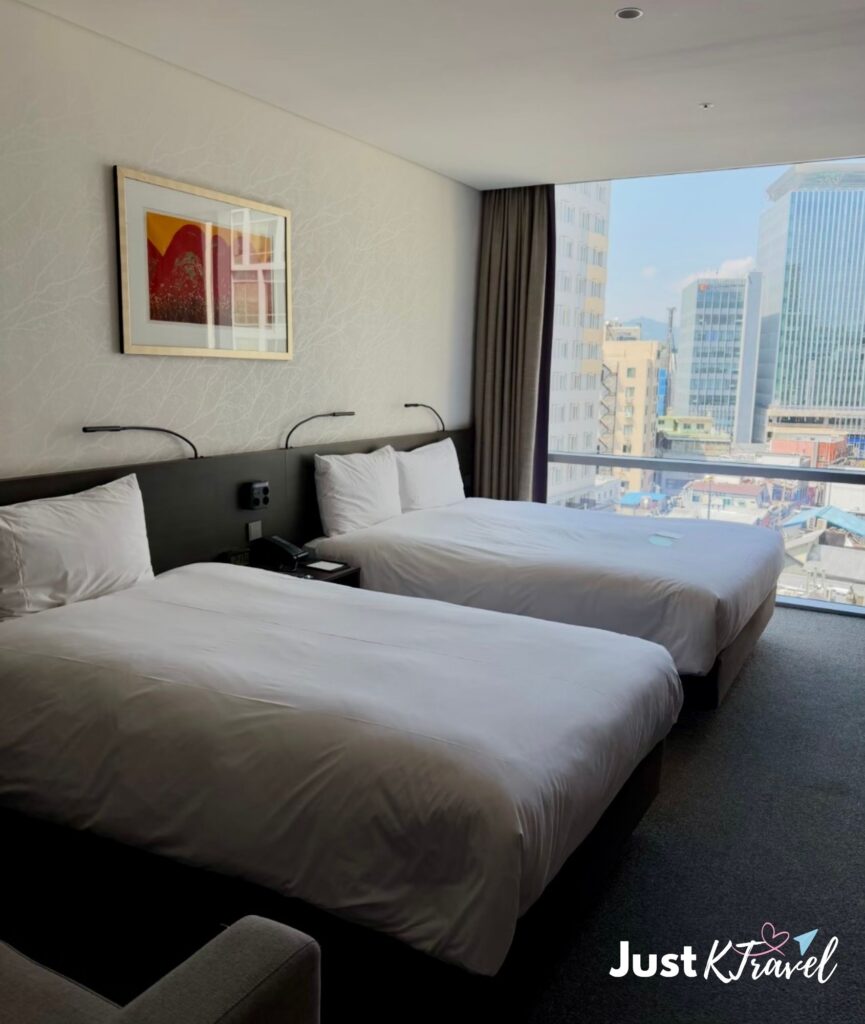
For most travelers, accommodation will be the biggest part of the budget. Hotel prices vary depending on where you’re staying and the time of year. Popular areas like Myeongdong, Hongdae, Gangnam, and Haeundae Beach are usually more expensive, especially during spring and autumn.
I’ve also noticed that prices increase during cherry blossom season, Chuseok, Christmas, and major K-pop concerts, so booking early can save you quite a bit of money.
🏨 Average Hotel Prices in Korea (Per Night) (2026)
(Approximate conversion: ₩1,000 ≈ $0.70 USD ≈ €0.60 EUR)
Hotel Type | KRW | USD | EUR |
🛏️ Hostel / Guesthouse | ₩35,000–₩60,000 | $25–$45 | €20–€36 |
🏨 Budget Hotel | ₩60,000–₩100,000 | $45–$75 | €36–€60 |
⭐ Mid-range Hotel | ₩110,000–₩200,000 | $80–$145 | €65–€120 |
💎 Luxury Hotel | ₩250,000–₩600,000+ | $180–$430+ | €150–€360+ |
Richelle’s Tip: For first-time visitors, staying near a subway station is worth paying a little extra because it saves time and transportation costs. If it’s your first visit, I recommend staying near a subway station. It may cost a little more, but it makes getting around Korea much easier and saves time during your trip.
If you’re still choosing where to stay, check out my guides:
I usually recommend booking hotels early, especially during cherry blossom season and autumn when prices can increase.
🍜 Food Prices in Korea
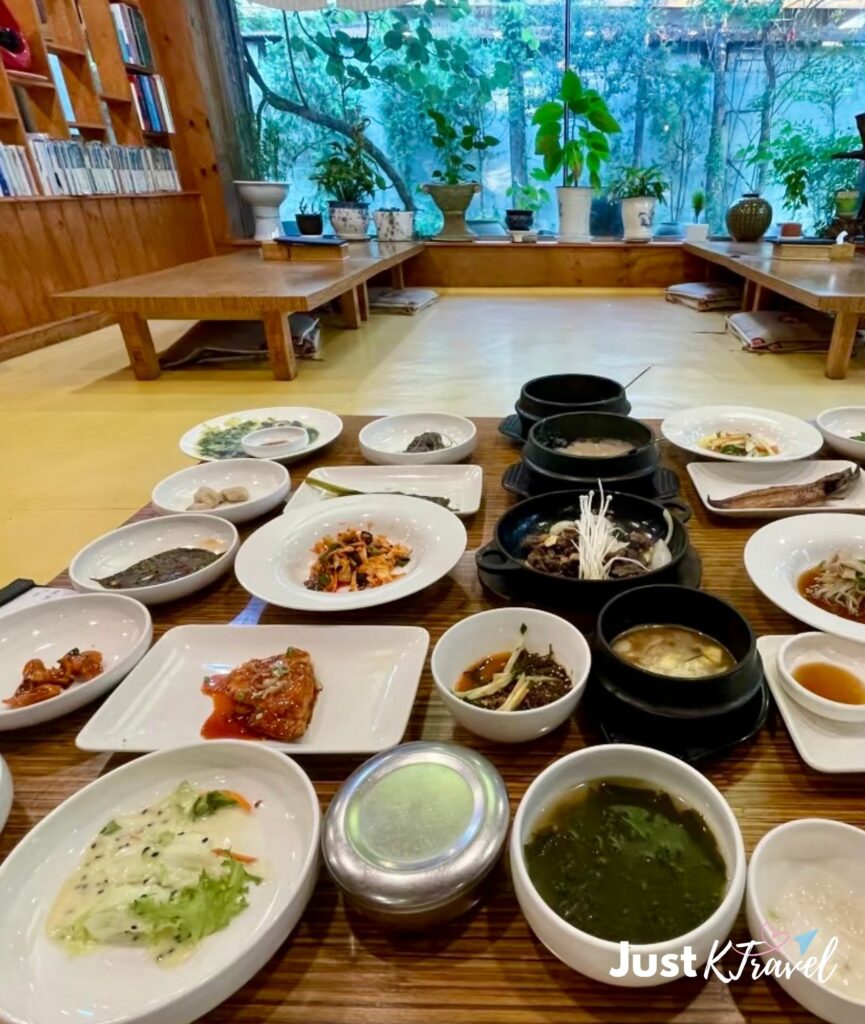
One of my favorite things about living in Korea is that you don’t have to spend a lot to eat well.
Some of the best meals I’ve had weren’t at fancy restaurants—they were at small local eateries tucked away on quiet streets. These places often serve generous portions, and many include free side dishes (banchan), making them excellent value for money.
Of course, if you’re planning to enjoy Korean BBQ every night or visit trendy cafés, your daily food budget will be a little higher.
If you’re wondering where to eat during your trip, these are some of my favorite restaurant guides:
🍽️ Where to Eat in Myeongdong: 10 Best Restaurants for First-Time Visitors (2026)
🍽️ 10 Best Places to Eat in Hongdae for First-Time Visitors
🍽️ 10 Best Cheap Restaurant Chains in Korea for Solo Travelers
🍜 Average Food Prices in Korea (2026)
(Approximate conversion: ₩1,000 ≈ $0.70 USD ≈ €0.60 EUR)
Food | KRW | USD | EUR |
🍢 Street Food | ₩2,500–₩6,000 | $2–$5 | €1.50–€4 |
🏪 Convenience Store Meal | ₩4,500–₩8,000 | $3–$6 | €3–€5 |
🍚 Local Korean Restaurant | ₩9,000–₩15,000 | $7–$11 | €5–€9 |
🥩 Korean BBQ (per person) | ₩20,000–₩40,000 | $15–$30 | €12–€24 |
☕ Coffee | ₩4,500–₩7,000 | $3–$5 | €3–€4 |
Richelle’s Tip: Some of my best meals in Korea have been at small local restaurants. They are affordable, filling, and often include free side dishes (banchan).
Some meals you should definitely try include:
🍚 Bibimbap
🍜 Kimchi Jjigae
🍙 Kimbap
🌶️ Tteokbokki
🥟 Mandu
🍗 Korean Fried Chicken
If you’re traveling on a budget, lunch specials at local restaurants are often cheaper than dinner menus and still offer generous portions.
If you’re visiting Busan, don’t miss my restaurant guides:
🍽️ 10 Best Restaurants Near Haeundae Beach, Busan: Local Favorites & Hidden Gems (2026)
🍽️ Best Restaurants Near Gwangalli Beach, Busan for First-Time Visitors (2026 Guide)
🚆 Transportation Costs in Korea
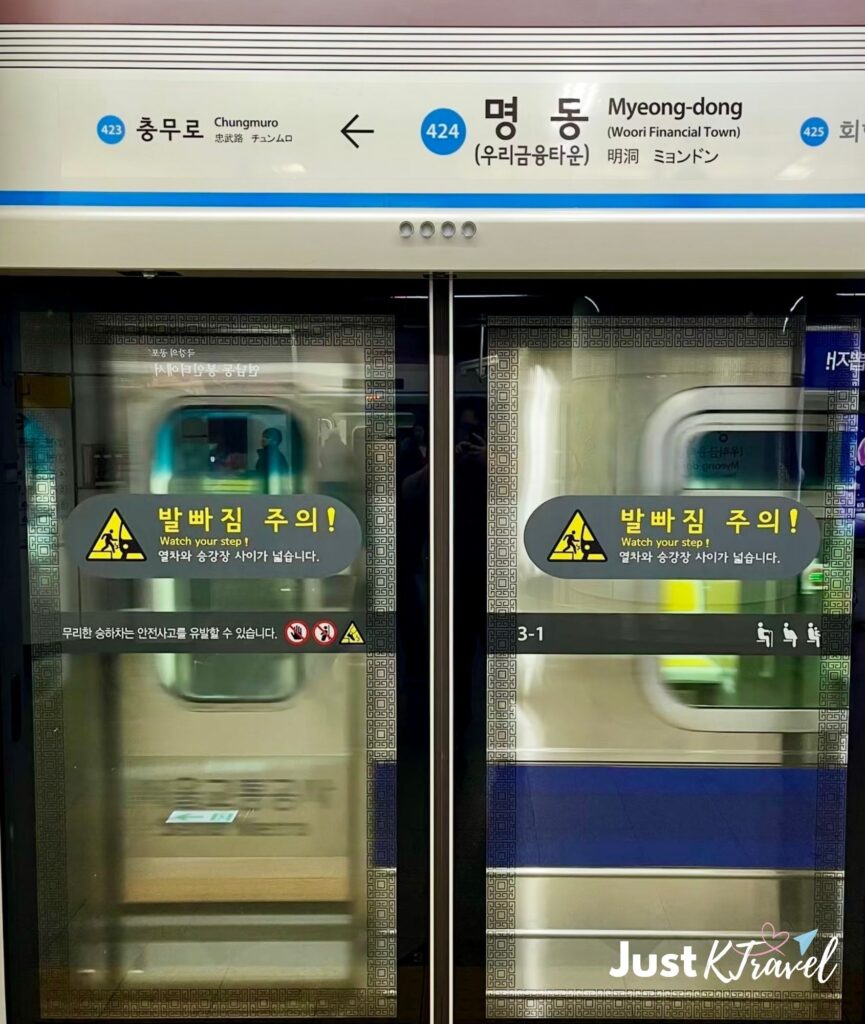
One thing that impressed me when I first arrived in Korea was how easy it is to get around. The subway systems in Seoul and Busan are clean, reliable, and affordable, making them my preferred way to travel. If you’re planning to explore multiple cities, Korea’s train network is also fast and convenient.
🚆 Average Transportation Costs in Korea (2026)
(Approximate conversion: ₩1,000 ≈ $0.70 USD ≈ €0.60 EUR)
Transportation | KRW | USD | EUR |
🚇 Subway | ₩1,550+ | $1+ | €1+ |
🚌 City Bus | ₩1,500 | $1 | €1 |
🚕 Taxi Starting Fare | Around ₩4,800 | $3.50 | €3 |
🚄 KTX High-Speed Train | ₩20,000–₩60,000+ | $15–$45+ | €12–€36+ |
💛 Richelle’s Tip: Korea’s public transportation is one of the easiest ways to save money. I usually use the subway and buses for daily travel and only take taxis when carrying heavy luggage or traveling late at night.
I always recommend getting a T-money Card when you arrive in Korea. You can use it for:
🚇 Subway
🚌 Buses
🚕 Some taxis
🏪 Convenience stores
The card costs around ₩4,000–₩5,000 and can be reloaded easily at subway stations and convenience stores.
If you’re staying in Seoul for several days, check if the Climate Card fits your itinerary since it can save money on unlimited public transportation within Seoul.
Getting around Korea is easy once you know the basics. These guides may help:
✈️ How to Get from Incheon Airport to Seoul (2026 Guide to Airport Transfer Options)
🎡 Attraction Costs in Korea
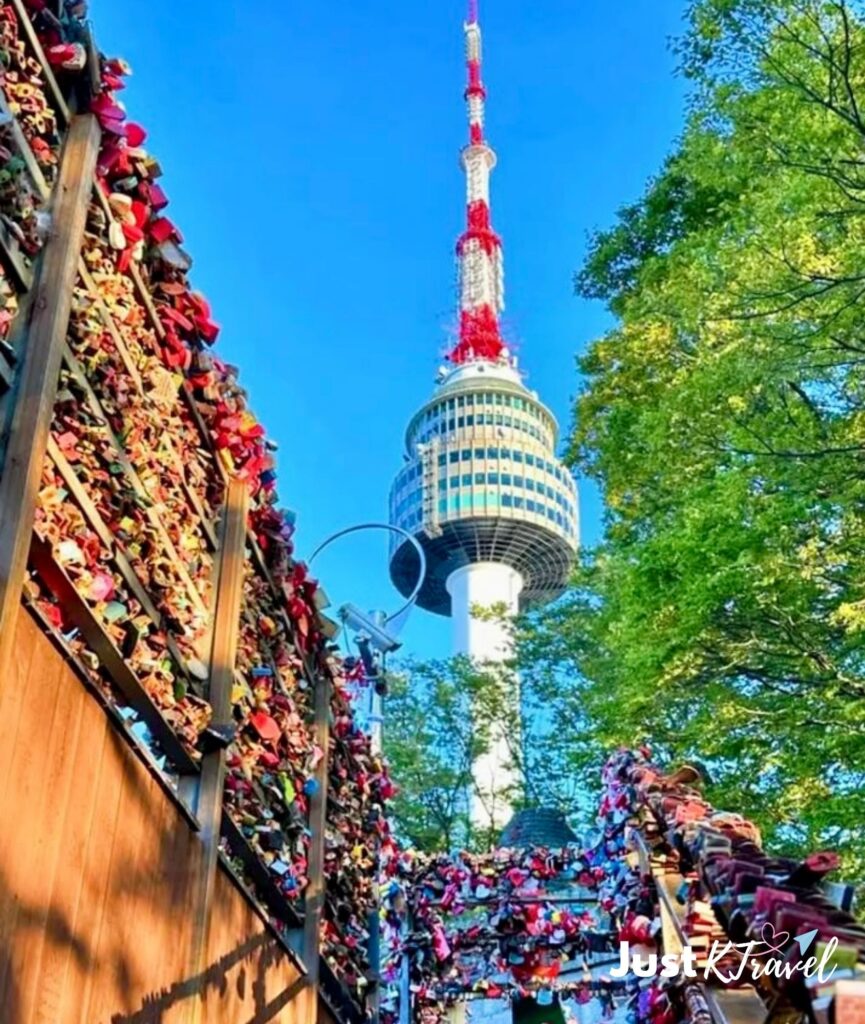
One thing I love about traveling in Korea is that you don’t have to spend a fortune to enjoy amazing attractions. Many palaces, parks, and cultural sites are free or have affordable entrance fees, making it easy to explore even on a budget.
🎡 Average Attraction Prices in Korea (2026)
(Approximate conversion: ₩1,000 ≈ $0.70 USD ≈ €0.60 EUR)
Attraction | KRW | USD | EUR |
🏯 Gyeongbokgung Palace | ₩3,000 | $2 | €2 |
🌆 Seoul Sky Observatory | ₩31,000 | $22 | €19 |
🎢 Lotte World | ₩64,000 | $45 | €38 |
🎡 Everland | ₩65,000 | $46 | €39 |
🌿 Nami Island | ₩16,000 | $12 | €10 |
🚡 Haeundae Sky Capsule | ₩30,000–₩60,000 | $21–$43 | €18–€36 |
🥋 Hanbok Rental | ₩15,000–₩30,000 | $11–$22 | €9–€18 |
♨️ Spa Land (Busan) | ₩25,000 | $18 | €15 |
🧖 Korean Sauna (Jjimjilbang) | ₩12,000–₩20,000 | $9–$15 | €7–€12 |
🗼 N Seoul Tower Observatory | ₩26,000 | $18 | €16 |
Richelle’’s Tip: If you’re planning to visit several paid attractions, I recommend checking ticket prices online before your trip. It can help you save money and avoid waiting in line.
🎟️ Popular attractions to book online:
👉 I usually check Klook before booking because it’s convenient and sometimes has better deals than buying tickets on-site.
🚆 Popular Day Trip Costs
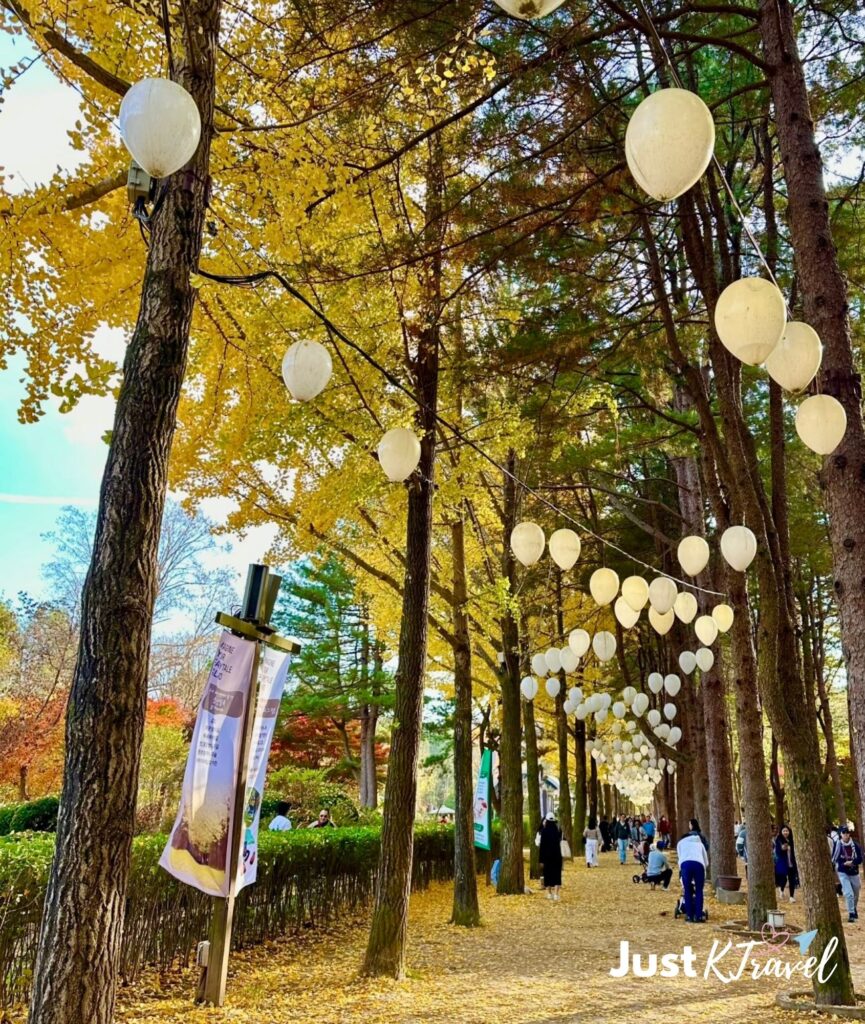
Many visitors spend at least one day exploring outside Seoul. These are some of the most popular day trips.
🚆 Popular Day Trip Costs from Seoul (2026)
(Approximate conversion: ₩1,000 ≈ $0.70 USD ≈ €0.60 EUR)
Destination | KRW | USD | EUR |
🌿 Nami Island | ₩16,000 | $12 | €10 |
🌸 Garden of Morning Calm | ₩12,000 | $9 | €7 |
🦙 Alpaca World | ₩18,000 | $13 | €11 |
🎢 Everland | ₩65,000 | $46 | €39 |
🚆 DIY Day Trip | ₩20,000–₩50,000 | $15–$35 | €12–€30 |
🚌 Guided Tour | ₩70,000–₩150,000 | $50–$110 | €42–€90 |
💛 Richelle’s Tip: DIY day trips are usually cheaper, and I enjoy using public transportation when I have more time. However, guided tours are a great option if it’s your first visit, you’re short on time, or you want to visit multiple places in one day without worrying about transfers.
🚆 Popular day trips to book online:
👉 For busy days, I usually check Klook because it’s easier to compare tours and avoid figuring out multiple transfers myself.
Planning to visit Nami Island independently? My DIY guide covers transportation options and tips:
🌿 Nami Island DIY Day Trip Guide (2026): How to Get There from Seoul + ITX vs Subway Comparison
🎟️ Is the Discover Seoul Pass Worth It?
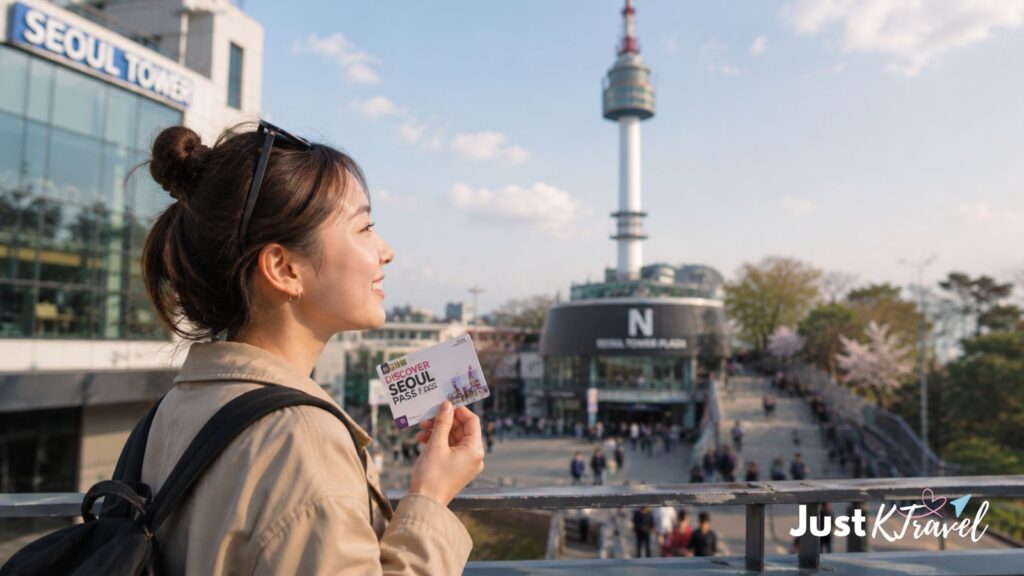
If you’re planning to visit several attractions in Seoul, the Discover Seoul Pass can help you save money.
🎟️ Discover Seoul Pass Prices (2026)
(Approximate conversion: ₩1,000 ≈ $0.70 USD ≈ €0.60 EUR)
Pass | KRW | USD | EUR |
24 Hours | ₩39,900 | $28 | €24 |
48 Hours | ₩55,000 | $39 | €33 |
72 Hours | ₩69,000 | $49 | €41 |
The pass includes free admission to many popular attractions, so it can be worth it if you plan your itinerary well and visit several places in a short time.
💛 Richelle’s Tip: I recommend checking the included attractions before buying. If you already plan to visit places like Seoul Sky, N Seoul Tower, Lotte World, or museums, the pass can offer good value.
If you’re planning your Seoul itinerary, this guide may also help:
🌿 Things to Do in South Korea Besides Shopping: Unique Korean Experiences You Shouldn’t Miss
📊 Cash vs. Card in Korea (2026)
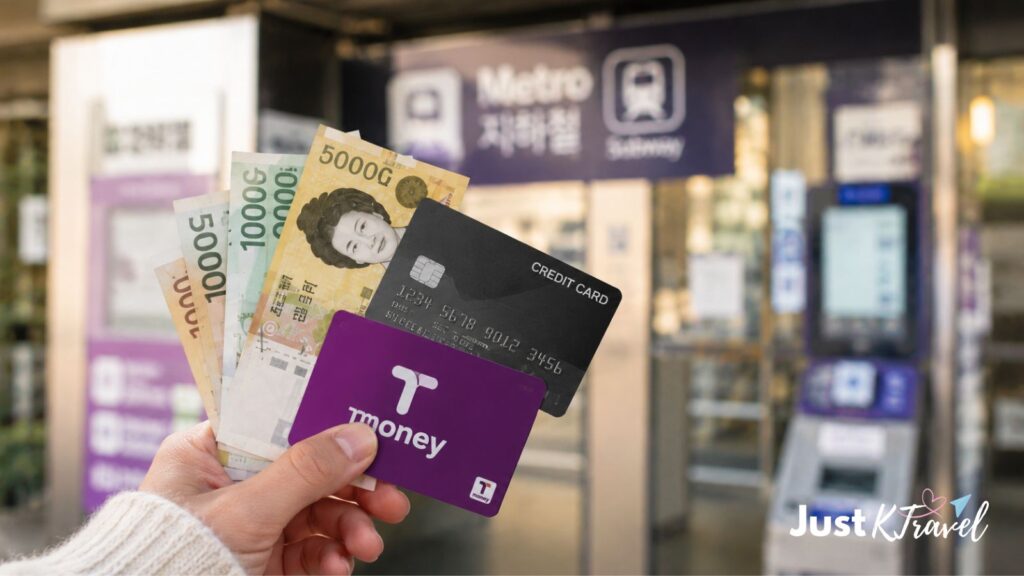
Payment Method | Best For | My Recommendation |
💳 Credit/Debit Card | Hotels, restaurants, shopping | Use for most purchases |
💵 Cash | Street food, markets, small shops | Carry around ₩100,000–₩200,000 ($70–$140 / €60–€120) |
🚇 T-money Card | Subway and buses | Essential for every traveler |
Richelle’s Tip: I rarely carry a lot of cash because cards are accepted almost everywhere in Korea. I usually keep some Korean won for traditional markets, street food, and small local shops where cash is still more convenient.
If you’re planning your travel money, you may also find this helpful:
💸 Best Place to Exchange Money in Korea: Airport vs Myeongdong vs ATM (2026 Guide)
💰 How Much Money Should You Bring to Korea? (2026)
(Approximate conversion: ₩1,000 ≈ $0.70 USD ≈ €0.60 EUR)
Trip Length | Budget (KRW / USD / EUR) | Mid-Range (KRW / USD / EUR) | Luxury (KRW / USD / EUR) |
3 Days | ₩250,000–₩350,000($175–$250 / €150–€210) | ₩450,000–₩650,000($315–$455 / €270–€390) | ₩900,000+($630+ / €540+) |
5 Days | ₩420,000–₩580,000($295–$405 / €250–€350) | ₩700,000–₩1,050,000($490–$735 / €420–€630) | ₩1,500,000+($1,050+ / €900+) |
7 Days | ₩600,000–₩800,000($420–$560 / €360–€480) | ₩980,000–₩1,450,000($685–$1,015 / €590–€870) | ₩2,000,000+($1,400+ / €1,200+) |
Note: These estimates include accommodation, food, transportation, and sightseeing, but do not include international flights, shopping, or personal expenses.
💡 Money-Saving Tips
After living in Korea and traveling around different cities, these are the simple things I do to save money without missing out on the experience:
🚇 Use public transportation whenever possible. Korea’s subway and buses are clean, convenient, and much cheaper than taking taxis everywhere.
🍜 Eat at local restaurants. Some of my favorite meals have been at small neighborhood restaurants, not expensive places. They are usually affordable and often include free side dishes (banchan).
🎫 Book popular attractions online. I usually check ticket prices before visiting because online deals can be cheaper and help avoid long lines.
🛒 Buy snacks and drinks from convenience stores. They are great for quick breakfasts, late-night snacks, or saving money between meals.
🏨 Stay near a subway station. I’ve found that paying a little more for a convenient location saves both time and transportation costs.
❤️ My Personal Recommendation
After years of living in Korea, I rarely carry a lot of cash. Most places accept cards, so I usually keep around ₩100,000–₩200,000 ($70–$140 / €60–€120) for street food, traditional markets, small restaurants, and places that prefer cash.
For most first-time visitors, a mid-range budget of ₩120,000–₩180,000 per day is a comfortable amount. It gives you enough flexibility to enjoy good food, attractions, cafés, and comfortable accommodation without constantly checking your spending.
❓ Frequently Asked Questions
Is Korea expensive for tourists?
Not really. Compared with many countries, Korea offers great value, especially for local food, public transportation, and cultural attractions.
Should I bring cash to Korea?
Yes, but you don’t need a lot. Cards work almost everywhere, but cash is useful for markets, street food, and smaller local shops.
How much money should I budget per day?
For most first-time visitors, around ₩120,000–₩180,000 per day is a comfortable budget.
Can I use my credit card everywhere?
Yes, most hotels, restaurants, cafés, and stores accept international cards. I still recommend carrying some Korean won just in case.
What is the biggest travel expense in Korea?
Accommodation is usually the biggest cost, especially in popular areas like Myeongdong, Hongdae, Gangnam, and Haeundae.
✨ Final Thoughts
One thing I love about Korea is that you don’t need a huge budget to have an amazing trip. Some of my best memories come from simple experiences—eating at local restaurants, exploring neighborhoods, taking the subway, and discovering places beyond the main tourist spots.
With a mix of card payments and some Korean won, you can comfortably enjoy Seoul, Busan, Jeju, and other parts of Korea without overspending.
📌 Useful Korea Travel Guides
Planning your trip to Seoul? You might also find these guides helpful:




Other Useful Korea Travel Guides you might want to check:
- 🇰🇷 What Korean Snacks Should You Bring Home? (2026 Ultimate Guide)
- 🇰🇷 11 Korean Street Foods First-Time Visitors Should Try (Seoul, Busan & Jeju Guide)
FREE Seoul and Busan Itinerary:
👤 About the Author
Hi, I’m Richelle, the creator of Just KTravel, based in South Korea.
I share simple and practical Korea travel guides from my own experience — including seasonal spots, transport tips, hidden places, and easy itineraries.
I started this blog after visiting Korea as a traveler myself, and now I write to help others plan their trips with less stress and more confidence.
My goal is to make Korea travel easier and more enjoyable for everyone, especially first-time visitors.
💬 Need Help Planning Your Korea Trip?
Have questions about traveling in Korea or planning your itinerary?
Join our Korea Travel Facebook community where travelers share real experiences, tips, and advice on transportation, accommodation, and seasonal travel in South Korea.
Disclosure:
This post may contain affiliate links to services and experiences I recommend based on personal use. If you make a booking through them, I may earn a small commission at no extra cost to you. I really appreciate your support for Just KTravel.