
Korea Rainy Season 2026: Weather, Travel Tips & Indoor Activities ☔🇰🇷
Hi! Just KTravel here 👋
Table of Contents
ToggleI’m based in South Korea and create Korea travel guides, itineraries, and seasonal tips to help you plan smarter—whether it’s your first visit or a return trip.
👉 Planning your trip right now? Join our Korea Travel Facebook Group—travelers share tips, itineraries, and real-time updates.
What Tourists Should Expect During Korea’s Monsoon Season
Planning a summer trip to South Korea but worried about the rainy season? I completely understand — many travelers imagine nonstop storms, canceled plans, and ruined itineraries once they hear the word “monsoon.”
But after living in Korea and experiencing multiple summers here myself, I can honestly say this: Korea’s rainy season (called Changma) is usually much more manageable than most tourists expect.
Yes, there will be rainy days. Sometimes heavy ones. But it rarely rains nonstop for weeks. In reality, many travelers still enjoy Korea during June and July because summer here also brings:
greener scenery
fewer crowds compared to spring and autumn
seasonal festivals
indoor attractions everywhere
easier restaurant reservations
occasional hotel discounts
If you’re planning a full summer trip beyond rainy season activities, I also wrote a complete guide about Summer in South Korea (2026): What to Pack, Where to Stay & Best Cool Places to Visit for first-time visitors.
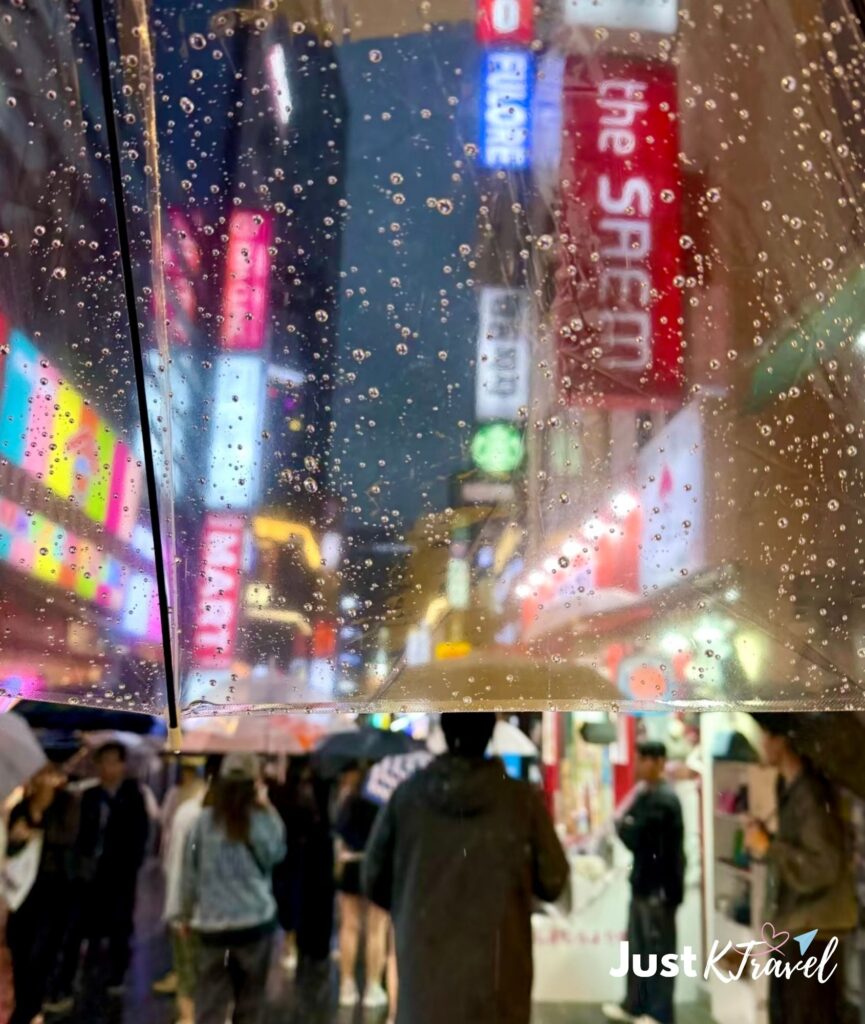
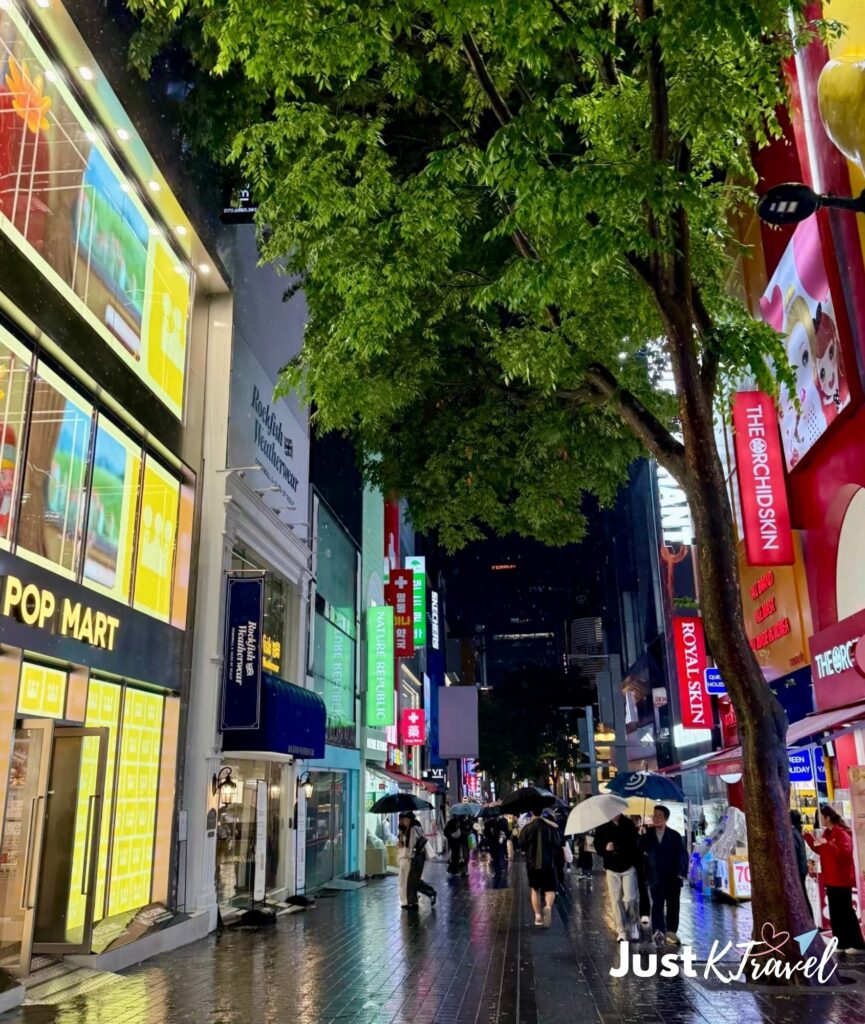
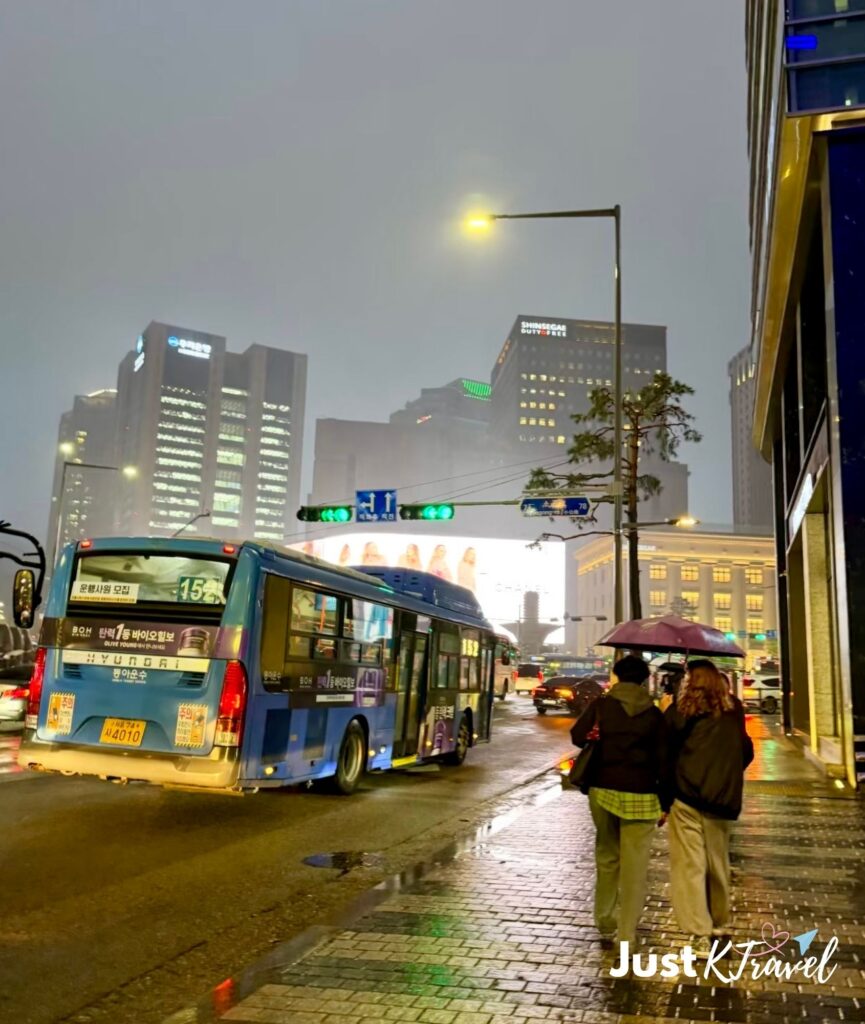
Some of my favorite Seoul moments actually happened during rainy evenings — cozy cafés in Hongdae, warm Korean BBQ after sudden rain, neon reflections on wet streets in Myeongdong, and peaceful walks once the skies cleared.
If you prepare properly, Korea during the rainy season can still be an amazing trip.
When is the Rainy Season in Korea?
Korea’s rainy season usually follows this pattern:
Period | What to Expect |
Late June | Start of humid weather + occasional rain |
Early to Mid July | Peak rainy season |
Late July | Rain slowly decreases |
Early August | Hot summer heat continues |
Weather changes slightly every year, so exact timing is never guaranteed. Some weeks are surprisingly sunny, while others may have several rainy days in a row.
The important thing tourists should know is this: Rain in Korea often comes in waves rather than lasting all day.
You may experience:
- heavy rain for 1–2 hours
- cloudy mornings with sunny evenings
- sudden thunderstorms
- humid but dry days
That’s why flexible itineraries work best during summer travel.
Average Summer Temperatures in Korea
Seoul
24°C–32°C
Very humid during afternoons
Sudden rain showers possible
Busan
25°C–31°C
More humid due to coastal weather
Rain can feel heavier near beaches
Jeju Island
26°C–30°C
Windier than mainland Korea
Occasional strong rain bursts
Humidity is usually the biggest challenge, especially for tourists coming from cooler countries.
Is Korea Worth Visiting During the Rainy Season?
Honestly? Yes — especially if you plan wisely.
Many tourists avoid Korea during summer because they focus only on the rain. But summer can actually be one of the easiest times to travel around Korea if you enjoy flexible schedules and indoor activities. Summer is also the festival season in Korea. Even during rainy months, many events and night festivals still continue unless the weather becomes severe.
If you’re visiting during June to August, you might enjoy my guide to Korea Summer Festivals You Shouldn’t Miss in 2026
The rainy season can also be a surprisingly good time for solo travelers because accommodation prices are sometimes lower compared to cherry blossom or autumn seasons. If you’re traveling alone, I also shared my guide on Budget-Friendly Solo Accommodation Guide in Seoul
Why Travelers Still Love Korea in Summer
✅ Fewer Tourists
Compared to cherry blossom season or autumn foliage season, attractions can feel less crowded.
✅ Beautiful Green Scenery
Mountains, parks, and rivers become incredibly vibrant during summer.
✅ Easier Attraction Bookings
Popular places like observation decks, museums, and indoor attractions often feel less stressful compared to peak spring months.
✅ Indoor Activities Everywhere
This is something Korea does REALLY well.
You’ll find:
underground malls
cafés on every street
indoor theme parks
aquariums
spas
arcades
museums
huge shopping complexes
Even during bad weather, it’s surprisingly easy to stay entertained.
What to Wear During Korea Rainy Season
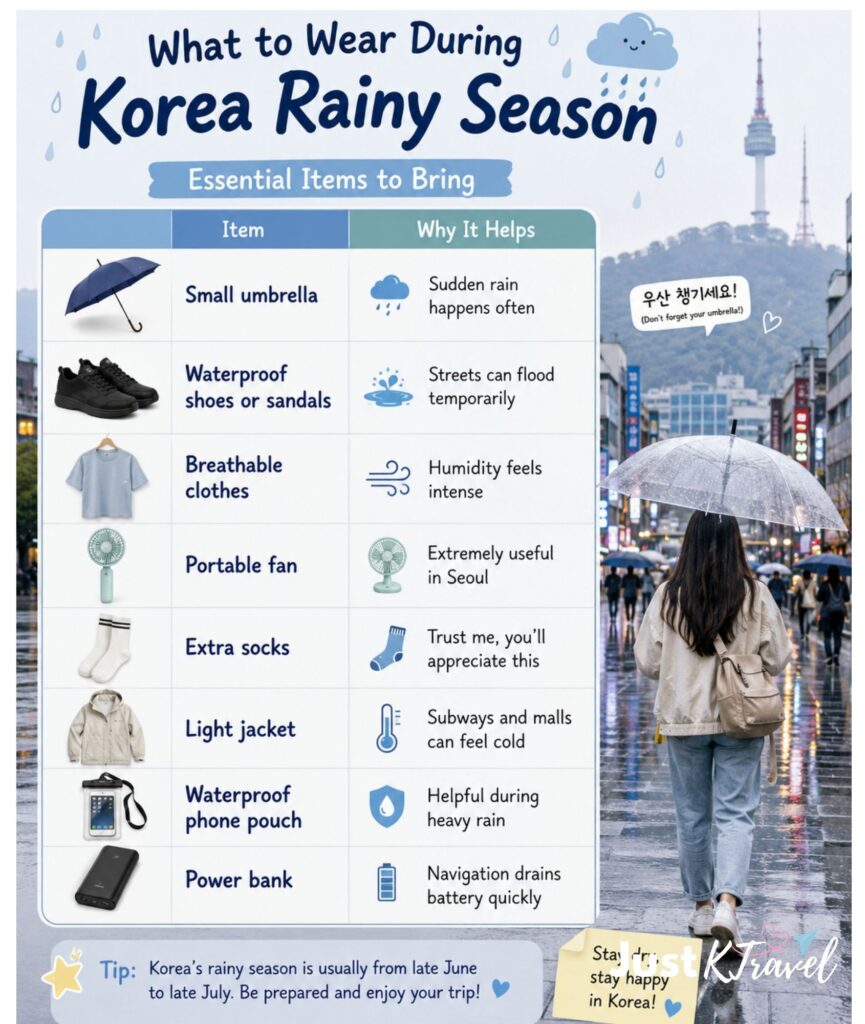
One mistake many tourists make is packing thick summer clothes. Korea in summer feels hot and humid, so breathable clothing matters.
Essential Items to Bring:
Item | Why It Helps |
Sudden rain happens often | |
Streets can flood temporarily | |
Humidity feels intense | |
Extremely useful in Seoul | |
Trust me, you’ll appreciate this | |
Subways and malls can feel cold | |
Helpful during heavy rain | |
Navigation drains battery quickly |
Personal Tip:
If you plan to walk a lot in Seoul, avoid white sneakers unless they dry quickly. Summer rain can appear suddenly, especially during afternoons.
Best Indoor Places in Seoul During Rain ☔
Rainy day in Seoul? Honestly, this is where Korea becomes surprisingly fun.
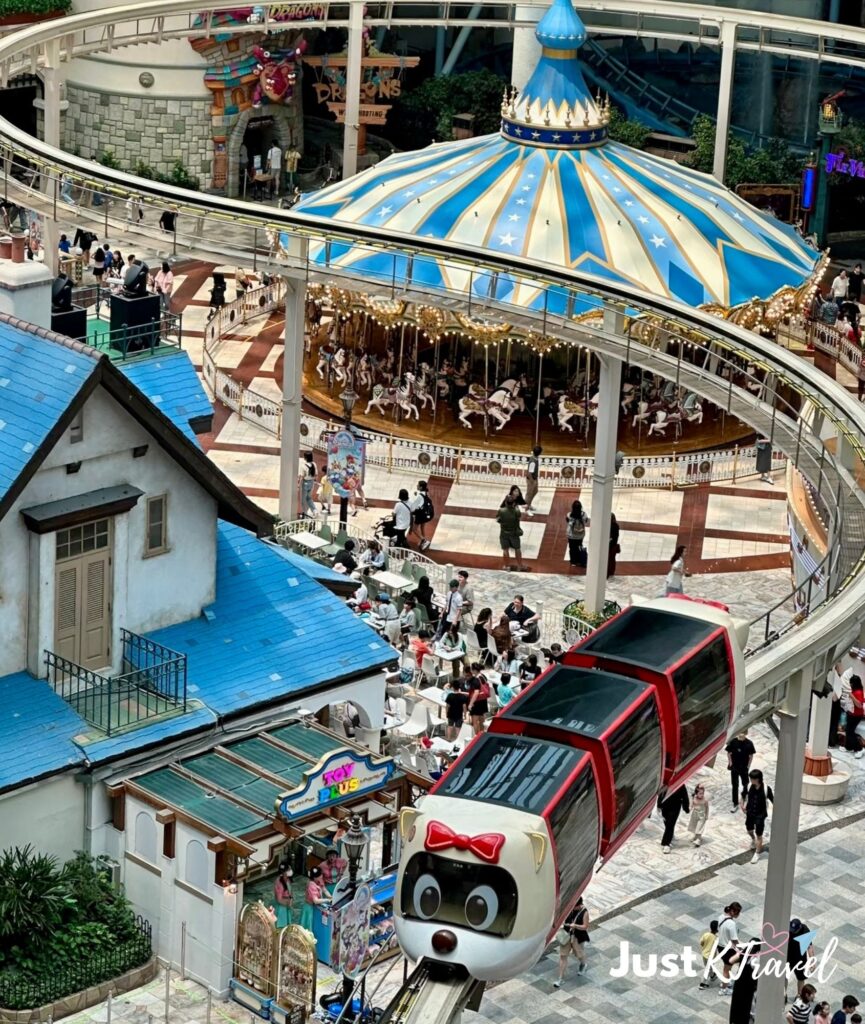
1. Lotte World
One of the best rainy-day attractions in Korea because much of the park is indoors.
Perfect for:
families
couples
friend groups
Even during bad weather, rides and entertainment continue.
2. COEX Mall
This giant underground complex is one of my personal favorite rainy-day spots in Seoul.
Inside you’ll find:
shopping
cafés
restaurants
aquarium
movie theaters
air-conditioned rest areas
It’s easy to spend half a day here without noticing the weather outside.
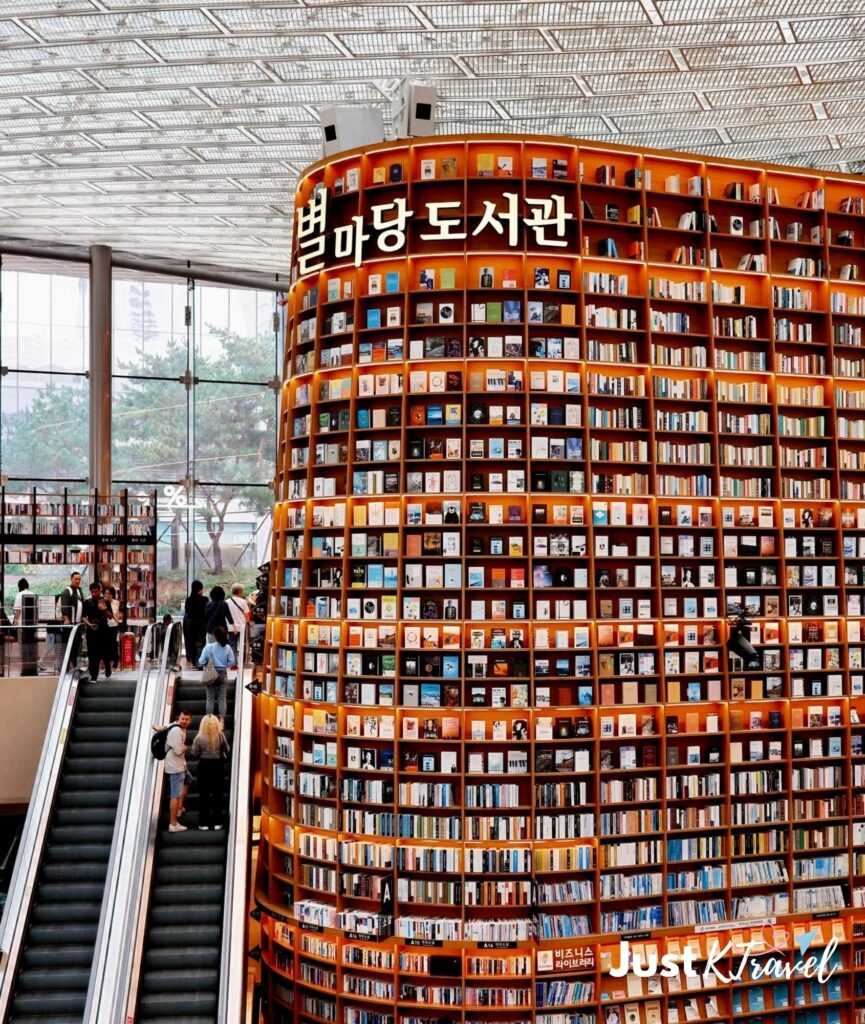
3. Starfield Library
Probably one of the most photographed indoor locations in Seoul.
It’s free to visit and works perfectly as:
a quick sightseeing stop
a café break
a rainy afternoon activity
4. Seoul Sky
Rainy weather can actually make city views look cinematic here.
Cloudy skies + Seoul lights at night create a very different atmosphere compared to clear days.
A surprisingly good option during rainy afternoons.
Great for:
families with kids
relaxing indoors
escaping humid weather
Best Indoor Places in Busan During Rain ☔
If Busan is part of your Korea itinerary, choosing the right area matters a lot during the rainy season since some neighborhoods are more convenient for transportation and indoor attractions.
You may also find these helpful:
Best Areas to Stay in Busan for First-Time Visitors (2026 Guide)
Where to Stay in Busan for Solo Travelers (Honest Guide + Best Areas 2026)
Busan during the rainy season can still be very enjoyable if you balance beaches with indoor attractions.
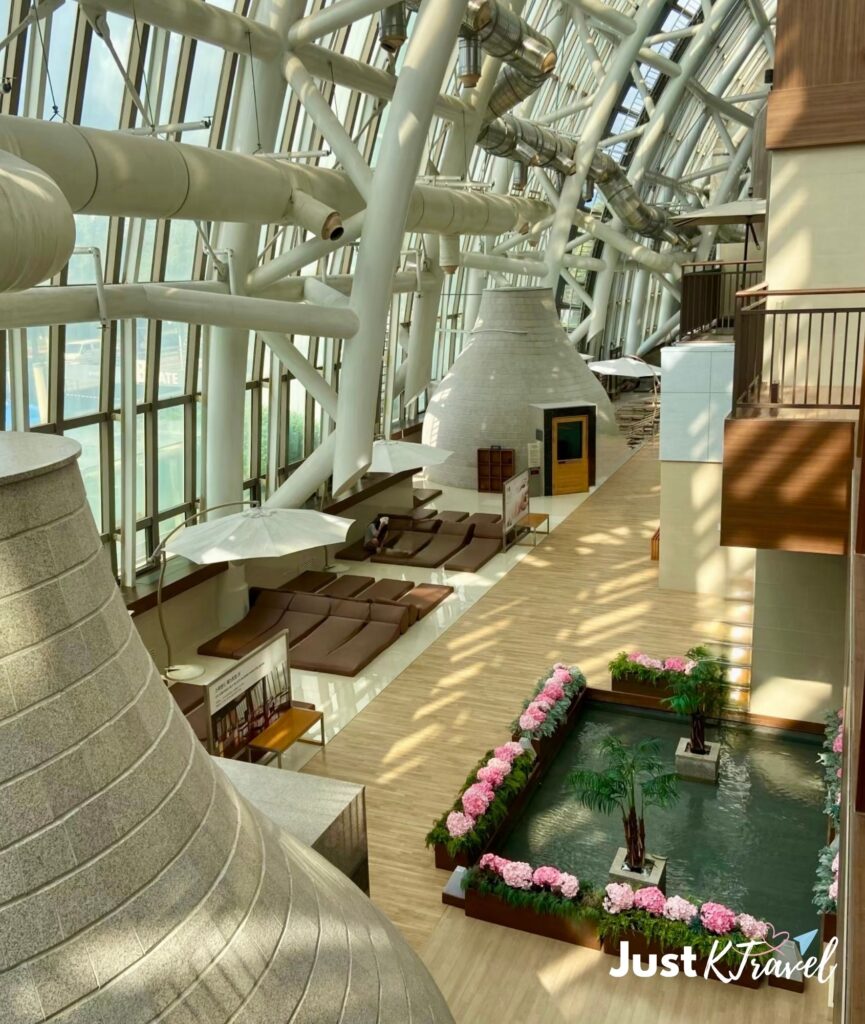
1. Shinsegae Centum City
One of the largest department stores in the world.
Perfect for:
shopping
food halls
cafés
indoor entertainment
spa experiences
Rainy weather actually creates dramatic ocean views from above Haeundae.
A great alternative when beach plans get canceled.
Easy rainy-day activity near Haeundae Beach.
Good for:
families
couples
solo travelers avoiding bad weather
One of the best Korean spa experiences for tourists.
Honestly, rainy weather makes Korean spas feel even more relaxing.
5. Lotte Department Store Gwangbok
Great combination of:
indoor shopping
cafés
food courts
harbor views
Perfect backup plan for rainy evenings.
Korea Rainy Season Travel Tips
1. Avoid Outdoor Activities from 12PM–5PM
From personal experience, afternoons are usually:
hottest
most humid
highest chance of sudden rain
I usually recommend:
indoor activities during afternoons
outdoor sightseeing during mornings or evenings
2. Stay Near Subway Stations
This helps MUCH more than many tourists realize.
Recommended areas for convenience:
Myeongdong
Hongdae
Jamsil
Dongdaemun
You’ll spend less time walking in heat or rain.
I usually recommend first-time visitors stay somewhere with easy subway access so they can quickly move between attractions even when sudden rain starts.
Recommended Areas to Stay in Seoul:
Area | Best For |
Myeongdong | First-time tourists |
Hongdae | Nightlife + younger vibe |
Jamsil | Families + quieter atmosphere |
Dongdaemun | Shopping + late-night food |
If you’re still deciding where to stay, I wrote a more detailed guide here:
Best Areas to Stay in Seoul for First-Time Visitors (2026 Guide)
👉 Compare hotels in Myeongdong here
👉 Browse hotels in Hongdae here
If this is your first time visiting Korea, understanding airport transportation can also make rainy-day travel much easier — especially after a long flight with luggage. Here’s my full guide on How to Get from Incheon Airport to Seoul (2026 Guide to Airport Transfer Options)
3. Use Flexible Tour Bookings
Summer weather changes quickly in Korea.
I highly recommend choosing:
free cancellation options
flexible booking dates
refundable tours when possible
Especially for:
island trips
outdoor tours
beach activities
4. Bring a Power Bank
This sounds simple, but it matters.
Rainy weather usually means:
more navigation checks
more indoor café time
more photo editing
heavier battery use
Portable chargers become essential fast.
Also Having reliable internet becomes even more important during rainy season since tourists often rely heavily on navigation apps, subway maps, and weather forecasts. If you’re still deciding between SIM cards, eSIMs, or pocket WiFi, check my full guide here: Best SIM Card, eSIM or Pocket WiFi for Korea? (2026 Tourist Guide)
Sample Seoul Rainy Day Itinerary (3 Days)
Day | Suggested Plan |
Day 1 | Myeongdong shopping → café hopping → Nanta Show → night market food |
Day 2 | Seoul Sky→ Lotte World → Seokchon Lake |
Day 3 | COEX Mall → Starfield Library → Korean BBQ dinner → Han River night walk if weather improves |
Seoul vs Busan During Rainy Season
Category | Seoul | Busan |
Atmosphere | Urban + indoor-focused | Coastal + humid |
Best For | Shopping, cafés, indoor attractions | Ocean views, seafood, relaxing |
Rain Experience | Easier subway access | Windier rain near beaches |
Transportation | Extremely convenient | More spread out |
Summer Vibe | Busy city energy | Relaxed beach atmosphere |
Frequently Asked Questions (FAQs)
Does it rain every day during Korea’s rainy season?
No. Many days are simply cloudy or humid with occasional rain showers. Some days may even be sunny.
Is July a bad time to visit Korea?
Not necessarily. July can still be enjoyable if you balance indoor and outdoor activities properly.
What is the rainiest month in Korea?
Usually in July, especially in Seoul and central Korea.
Can tourists still visit beaches during rainy season?
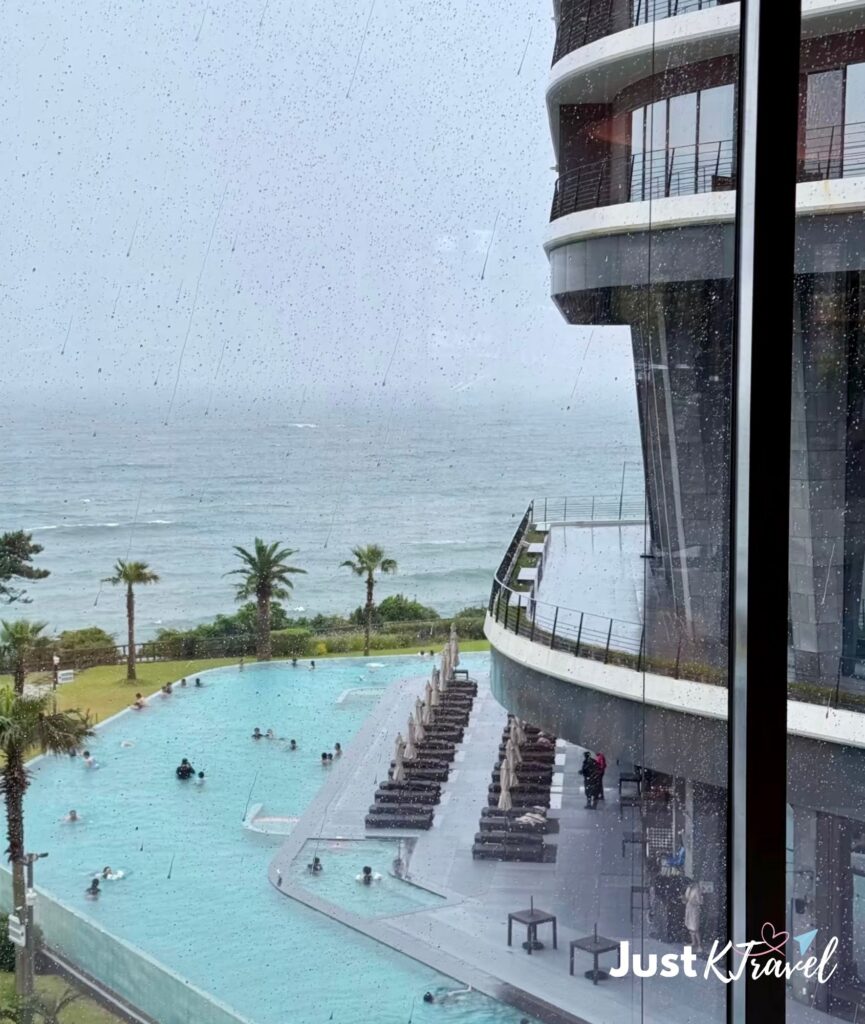
Yes — especially in Busan and Jeju. Weather changes quickly, so beach plans are still possible on many days.
Beach trips are still possible during Korea’s rainy season because rain often comes in waves instead of lasting all day.
If you’re planning coastal destinations, these guides may help:
Should tourists bring rain boots?
Usually not necessary unless heavy storms are forecast. Waterproof sneakers or sandals are normally enough.
Final Thoughts
Don’t let Korea’s rainy season scare you away from visiting.
With proper planning, flexible schedules, and a mix of indoor attractions, summer in Korea can still feel:
- exciting
- cozy
- affordable
- less crowded
- surprisingly memorable
Sometimes rainy evenings in Seoul actually become the moments travelers remember most — warm cafés, neon reflections on wet streets, late-night convenience store snacks, and peaceful city walks after the rain finally stops ☔🇰🇷
✈️ Planning a trip to South Korea?
Subscribe to the JustKTravel newsletter for Korea travel tips, seasonal guides, transport advice, and new blog updates—so you can plan your trip with more confidence.
Get useful tips and updates delivered straight to your inbox (no spam, just helpful info).
[mc4wp_form id=”2761″]
Disclosure:
This post may contain affiliate links to experiences and services I personally use and recommend. If you book through them, I may earn a small commission at no extra cost to you. Thank you in advance ^^