
💳 Cash vs Card in Korea: What Most Travelers Actually Use (2026 Guide)

Hi! Just KTravel here 👋
Table of Contents
ToggleI’m based in South Korea and create Korea travel guides, itineraries, and seasonal tips to help you plan smarter—whether it’s your first visit or a return trip.
👉 Planning your trip right now? Join our Korea Travel Facebook Group—travelers share tips, itineraries, and real-time updates.
One of the most common questions I receive from people planning their first trip to South Korea is:
“Should I bring cash, or can I use my card for everything?”
Living in South Korea and helping travelers plan their trips, I’ve noticed that many visitors worry about carrying enough Korean won before they arrive.
The good news?
Korea is one of the most card-friendly countries in the world. Most travelers end up using their card for the majority of purchases, especially in major destinations like Seoul, Busan, and Jeju.
However, carrying some cash is still a smart idea for certain situations.
Here’s what first-time visitors should know before arriving in Korea.

Quick Answer: Cash or Card in Korea?
For most travelers, payment habits look something like this:
Payment Method | Typical Usage |
💳 Card | 80–90% |
💵 Cash | 10–20% |
Most visitors use cards for:
✅ Restaurants
✅ Cafes
✅ Convenience stores
✅ Hotels
✅ Attractions
✅ Shopping
✅ KTX train tickets
✅ Airport transportation
Before arriving, you’ll also want to prepare your airport transfer and internet connection. If you haven’t planned those yet, these guides may help:
👉 How to Get from Incheon Airport to Seoul (2026 Guide to Airport Transfer Options)
👉 Best SIM Card, eSIM or Pocket WiFi for Korea? (2026 Tourist Guide)

Where You'll Mostly Use Your Card
In cities such as Seoul and Busan, card payments are incredibly common.
Most travelers can comfortably pay by card at:
Cafes and Bakeries:
Whether you’re visiting trendy cafes in Hongdae, Seongsu, or Haeundae, card payments are the norm.
Restaurants:
From local Korean restaurants to international chains, cards are widely accepted.
Convenience Stores:
Stores like GS25, CU, and 7-Eleven almost always accept international cards.
Hotels and Attractions:
Most accommodations and major attractions throughout Korea accept card payments without issue.
If you’re still deciding where to stay in Seoul, choosing the right neighborhood can make your trip much easier:
👉 Best Areas to Stay in Seoul for First-Time Visitors (2026 Guide)
One thing visitors quickly notice is that most popular attractions in Seoul accept card payments, and many travelers pre-book activities online before arriving.
Some of the most popular Seoul activities to reserve in advance include:
Gyeongbokgung Hanbok Rental
N Seoul Tower Observatory
Lotte World Seoul
DMZ Tour
Nami Island Day Trip and more

When Cash Is Still Useful in Korea
Despite Korea’s strong card infrastructure, there are still situations where carrying cash can save you time and frustration.
1. Traditional Markets & Street Food
This is probably the most common situation where travelers need cash.
Many vendors accept cards, but not all.
Popular markets such as:
Gwangjang Market
Namdaemun Market
Mangwon Market
Jagalchi Market
Bupyeong Kkangtong Market
often have a mix of payment methods. If trying local street food is on your itinerary, keeping some Korean won in your wallet is a good idea.
2. Small Local Businesses
While uncommon, some older shops and family-run businesses still prefer cash for smaller purchases.
This becomes slightly more common outside major tourist areas.
3. T-money Card Top-Ups
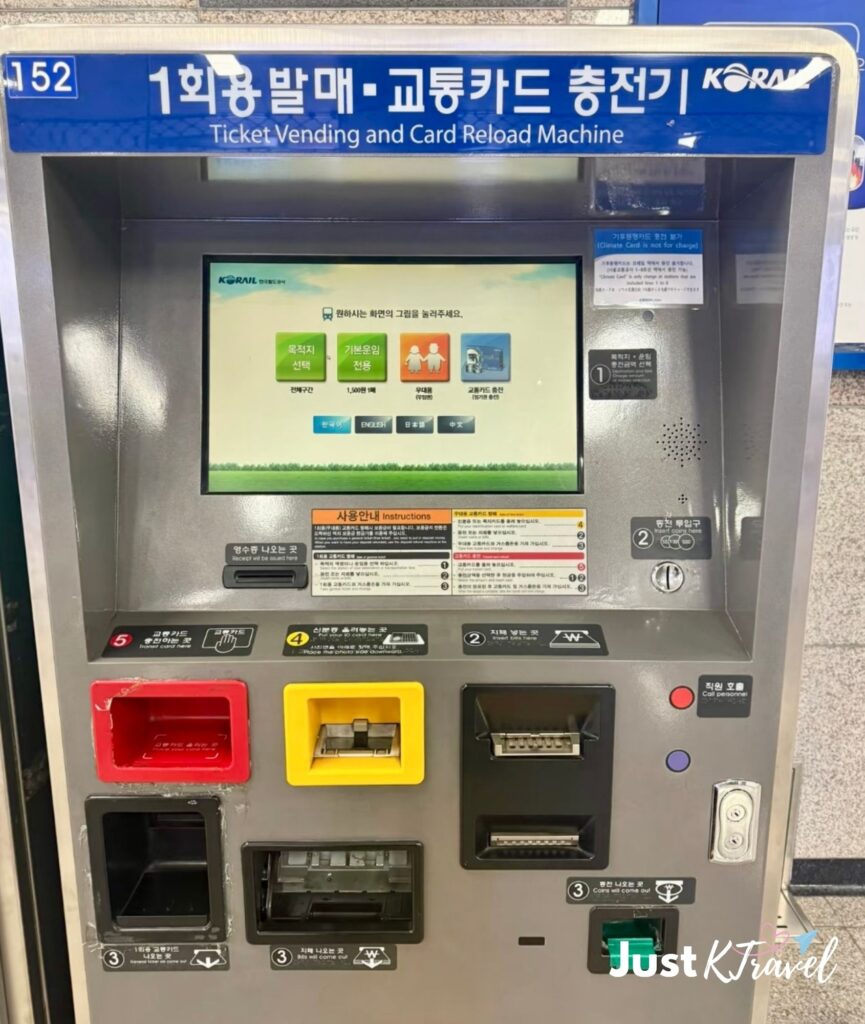
Most visitors use a T-money card for buses and subways. While convenience stores can help with top-ups, cash is often the easiest way to reload transportation cards. However, as of 2026, some newer subway station recharge machines in Seoul also accept international Visa and Mastercard credit or debit cards, making cashless top-ups more convenient for many tourists.
Because card acceptance still varies by location and machine, carrying a small amount of cash is recommended as a backup, especially when traveling outside Seoul.
If you’re arriving in Seoul for the first time, my guide below covers many of the transportation basics travelers need during their first day:
👉 Your First 24 Hours in Seoul (2026 Step-by-Step Survival Guide)
4. Emergency Backup
Foreign cards occasionally get declined.
This can happen because of:
Bank security checks
Foreign transaction restrictions
Temporary network issues
ATM compatibility problems
Having emergency cash means you won’t be completely stuck if your primary payment method fails.
Cash vs Card in Korea: Comparison Table
Situation | Card | Cash |
Cafes |
| Optional |
Restaurants |
| Optional |
Convenience Stores |
| Optional |
Hotels |
| Rarely Needed |
Shopping Malls |
| Rarely Needed |
KTX Tickets |
| Not Needed |
Street Food | Sometimes |
|
Traditional Markets | Sometimes |
|
T-money Top-Ups | Sometimes |
|
Emergency Backup | Backup Card |
|

How Much Cash Should You Bring to Korea?
Most travelers don’t need large amounts of cash. A reasonable amount is usually enough to cover:
Transportation
Street food
Market purchases
Small local shops
Emergencies
Many visitors find that carrying around 50,000–100,000 KRW at a time is more than sufficient. If needed, you can always withdraw additional cash from international ATMs throughout Korea.
Trying to estimate your Korea travel budget?
👉 How Much Money to Bring to Korea (Full Budget Guide 2026)
👉 Is Seoul Expensive? Real Travel Costs for 2026
These guides break down realistic costs for accommodation, transportation, food, attractions, and daily spending in Korea.
Since hotels account for a large portion of most Korea travel budgets, it’s worth booking early, especially during cherry blossom season, summer, autumn foliage season, and major events.
Travelers still comparing accommodation options can check current rates here:
Does This Change Outside Seoul?
Not significantly.
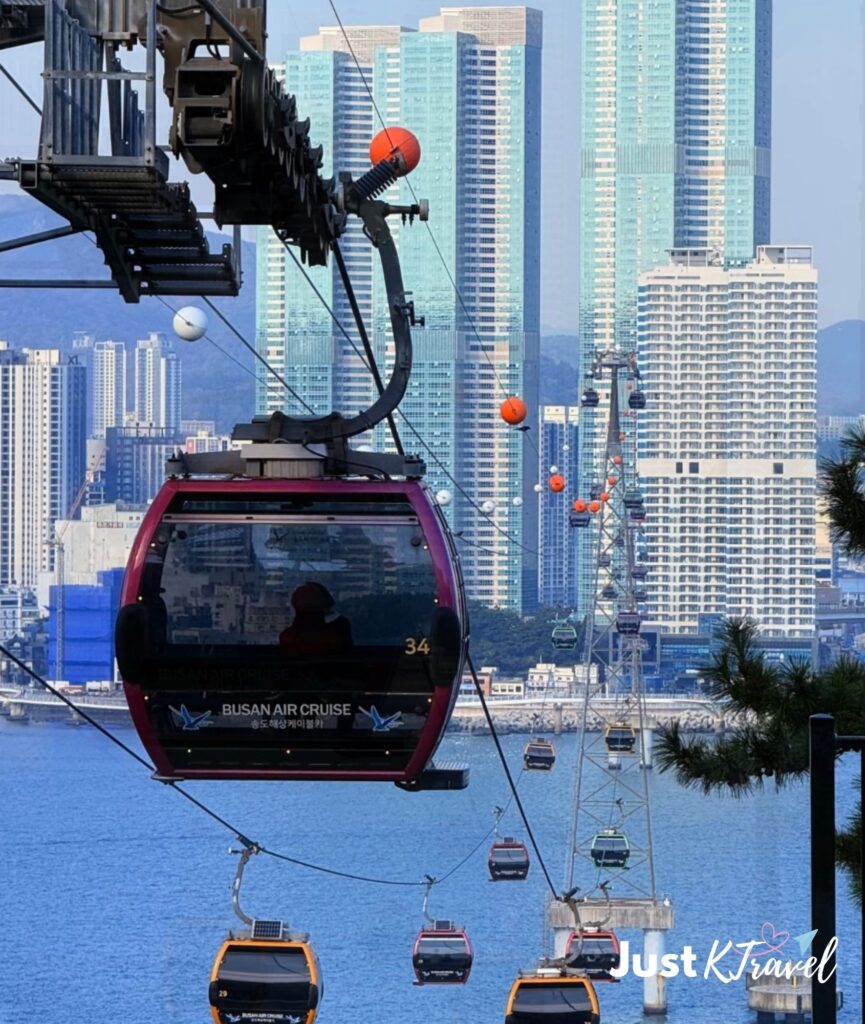
Whether you’re visiting Busan, Jeju, Gyeongju, Pohang, or Yeosu, card payments are still widely accepted. Busan in particular is very card-friendly, especially around Haeundae, Seomyeon, Gwangalli, and Nampo.
Most attractions accept cards, and many visitors find it easier to reserve tickets before arrival, especially during weekends and peak travel seasons.
Popular Busan experiences include:
If you’re currently planning your Busan trip, these guides may help:
👉 Best Areas to Stay in Busan for First-Time Visitors (2026 Guide)
👉 Where to Stay in Busan for Solo Travelers (2026 Guide)
Travelers flying into Incheon Airport and heading directly to Busan may also find this guide useful:
👉 Incheon Airport to Busan: Complete Transportation Guide (2026)
For Jeju visitors, card payments are equally common across most tourist areas:
👉 Best Areas to Stay in Jeju for First-Time Visitors (2026 Guide)

Tips for Using Foreign Cards in Korea
✔️ Bring More Than One Card
A backup card can be extremely helpful if your primary card gets blocked.
✔️ Check Foreign Transaction Fees
Some banks charge fees for overseas purchases.
✔️ Notify Your Bank If Necessary
Certain banks still flag overseas transactions as suspicious activity.
✔️ Keep Some Emergency Cash
Even if you rarely use it, having cash provides peace of mind.
Frequently Asked Questions
Is Korea a cashless country?
Not completely, but very close. Most travelers use cards for the majority of their spending.
Do I need cash in Seoul?
Yes, but not much. A small amount is useful for markets, street food, and transportation top-ups.
Can I use my foreign credit card in Korea?
Visa and Mastercard are widely accepted throughout Korea.
Do street food vendors accept cards?
Some do, but many still prefer cash.
How much cash should I carry daily?
Around 50,000–100,000 KRW is usually enough for most travelers.
Is Busan as card-friendly as Seoul?
Yes. Most restaurants, cafes, attractions, and shops in Busan accept cards.

Final Thoughts
For most travelers visiting South Korea in 2026, the answer is simple: Bring both cash and a card, but expect to use your card much more often. Korea is extremely convenient for card payments, especially in major destinations like Seoul, Busan, and Jeju. However, having some Korean won on hand can make transportation, traditional markets, and unexpected situations much easier to handle. A small amount of cash combined with a reliable international card is usually the perfect balance.
Planning Your Korea Trip?
💚 Get your FREE Korea itineraries here:
The itineraries cover Seoul, Busan, Gyeongju, Pohang, Yeosu, Jeju, and more, making it easier to plan your route before arriving in Korea.
✈️ Planning a trip to South Korea?
Subscribe to the JustKTravel newsletter for Korea travel tips, seasonal guides, transport advice, and new blog updates—so you can plan your trip with more confidence.
Get useful tips and updates delivered straight to your inbox (no spam, just helpful info).
[mc4wp_form id=”2761″]
Disclosure:
This post may contain affiliate links to experiences and services I personally use and recommend. If you book through them, I may earn a small commission at no extra cost to you. Thank you in advance ^^