
🇰🇷 Seoul Subway vs Bus: Which Is Better for First-Time Visitors? (2026 Guide)
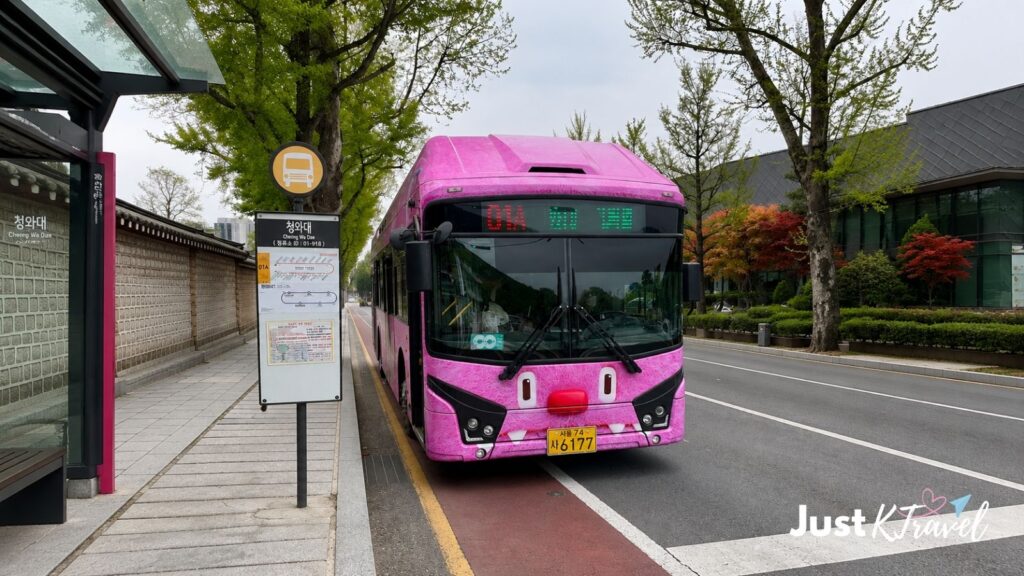
By Richelle (JustKTravel) • Updated Aug 2026
Table of Contents
ToggleIf you’re visiting Seoul for the first time, you’ll probably notice one thing pretty quickly: there are a lot of ways to get around. 😅
You have the subway, city buses, neighborhood buses, taxis, and Naver Map giving you several different routes to the same place.
In fact, figuring out transportation is one of the first things you’ll want to get comfortable with in Korea. If this is your first trip, you may also want to start with my 🇰🇷 First Time in South Korea? Complete Beginner Travel Guide (2026), where I cover the basics you need to know before your trip.
When I first started exploring Korea, I often wondered, “Should I take the subway or the bus?”
Now that I’ve been living in Korea for more than six years, I use both. The subway is usually my choice for longer journeys, while the bus can be better when it saves me walking.
And here’s one thing I’ve learned:
The fastest route on Naver Map isn’t always the easiest route in real life.
So, in this guide, I’ll help you figure out which option makes the most sense for your trip, how to choose based on walking time, transfers, weather and luggage, and when it may be easier to take a taxi or KTX instead.
🚇 Seoul Subway vs Bus: My Quick Answer
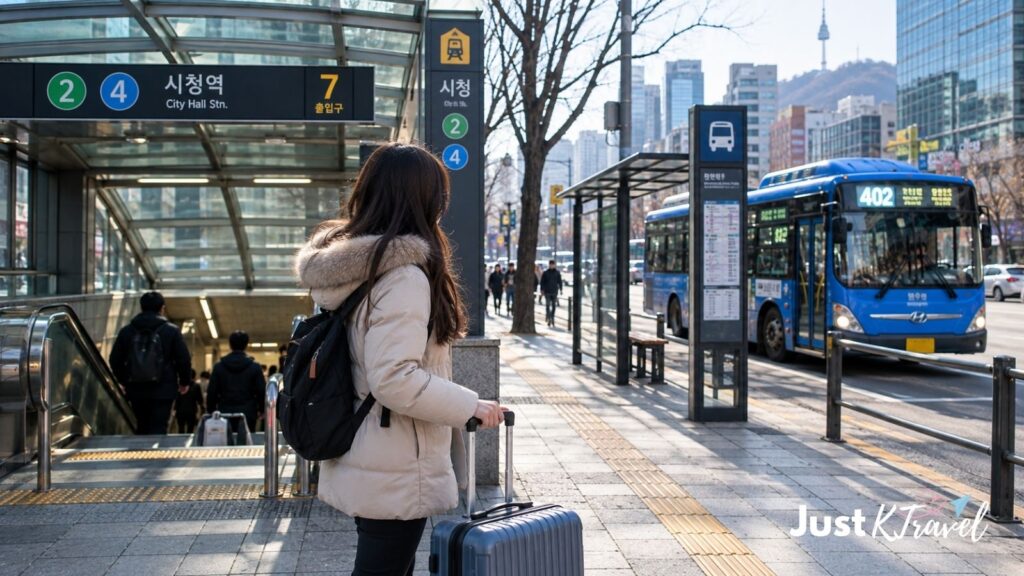
If you just want the simple version:
🚇 Take the subway when:
You’re traveling across Seoul
You’re going a longer distance
Traffic is heavy
You want a more predictable journey
Your destination is close to a subway station
The route has few transfers
🚌 Take the bus when:
There’s a direct route
The bus stop is closer to your destination
You’re trying to avoid walking
Your destination isn’t close to a subway station
You’re visiting a hilly area
You want to see more of Seoul above ground
🚕 Take a taxi when:
You have heavy luggage
You’re exhausted after a long day
You’re traveling with young children
It’s late
Public transportation requires too many transfers
The main thing I recommend is looking at the whole journey rather than just the transportation time.
🆚 Seoul Subway vs Bus: Which Is Better?
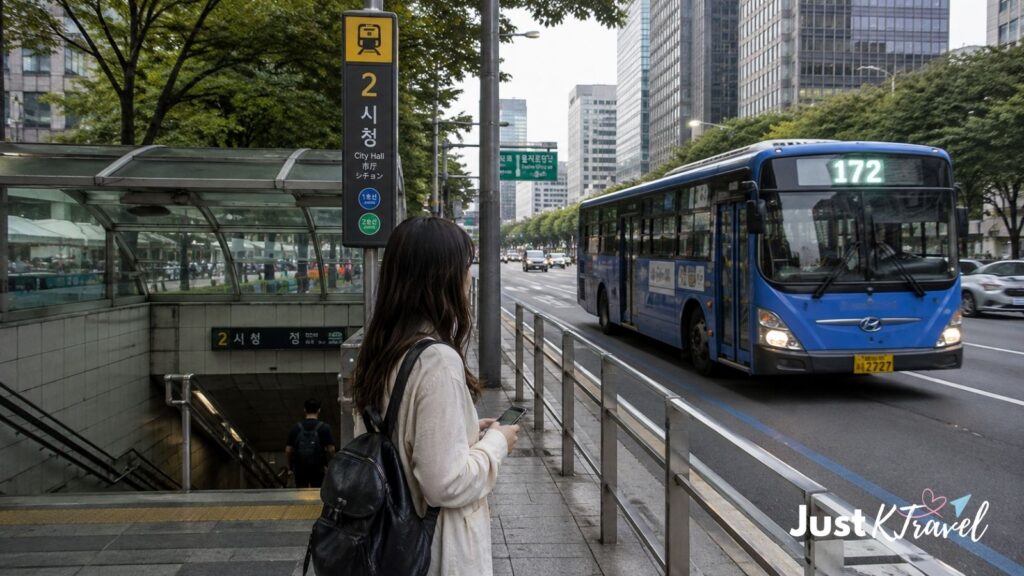
Here’s the comparison I’d give to a friend visiting Seoul for the first time:
Category | 🚇 Subway | 🚌 Bus |
Beginner-friendly | ⭐⭐⭐⭐⭐ | ⭐⭐⭐⭐ |
Travel time | More predictable | Depends on traffic |
Traffic | Not affected | Can affect journey |
Walking | Can involve quite a bit | Often less |
Transfers | Usually easy to follow | Direct routes can be very convenient |
Luggage | Can be tiring in large stations | Easier if the bus isn’t crowded |
Rain | Mostly underground | Walking/waiting outside |
Families | Good for longer trips | Great for direct routes |
Scenery | Mostly underground | See Seoul along the way |
Best for | Longer journeys | Direct or shorter journeys |
There isn’t really a universal winner.
For me, the subway wins when I need a predictable route. The bus wins when it saves me a lot of walking.
🚇 1. Which Is Easier for First-Time Visitors?
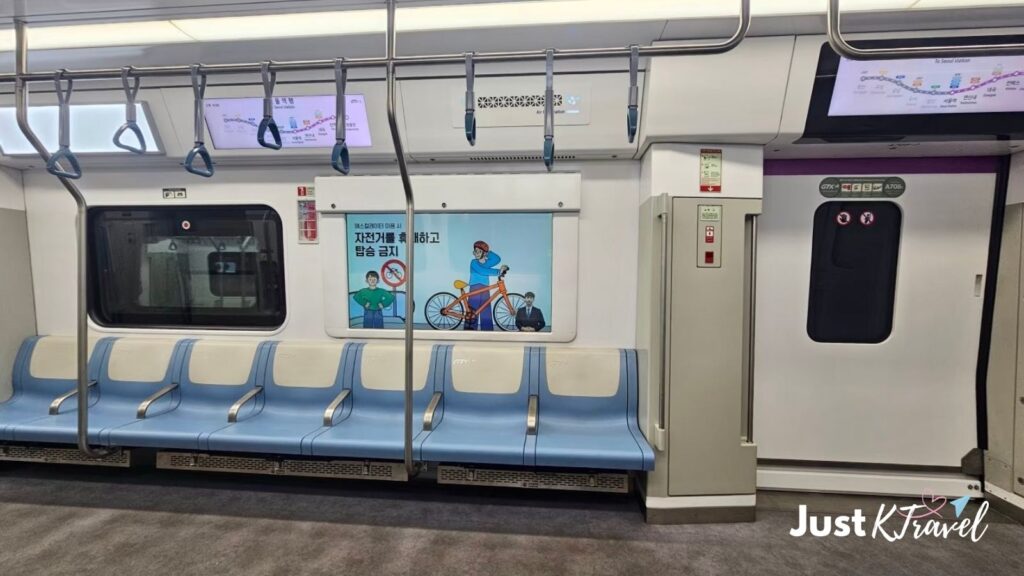
For me, the subway was much easier to learn first.
When I first moved to Korea, Seoul’s subway map looked intimidating. There were so many lines and stations that I wasn’t sure how quickly I’d be able to figure it out. But surprisingly, the subway was the first transportation system I really mastered within my first month of living in Korea.
Once I understood the basics, it became pretty straightforward. I mainly needed to know:
Where I was starting
Where I was going
Which line to take
Where to transfer
Which exit to use
The part that took me by surprise was the size of some subway stations. You might look at Naver Map and see that your destination is only 500 meters from the station and think, “Easy!”
Then you get there and realize you’ve been walking underground for five minutes just trying to find the right exit. 😂
Some stations have long underground passages, shopping areas and a lot of exits, so I always pay attention to the walking time, not just the subway ride.
🚌 Buses took me longer to figure out
Buses were a completely different story for me.
When I first started using them, I had a hard time figuring out which one I needed. There were even a few times when I got on the wrong bus and ended up going in the wrong direction. 😅
I had to pay attention to:
Bus number
Direction
Bus stop
Where to board
Where to get off
It took me much longer to feel confident with buses than with the subway. Naver Map eventually made a huge difference, but I still double-checked the bus number and direction before getting on. So if buses feel confusing when you first arrive, don’t worry. I struggled with them too.
💰 2. Is the Subway Cheaper Than the Bus?
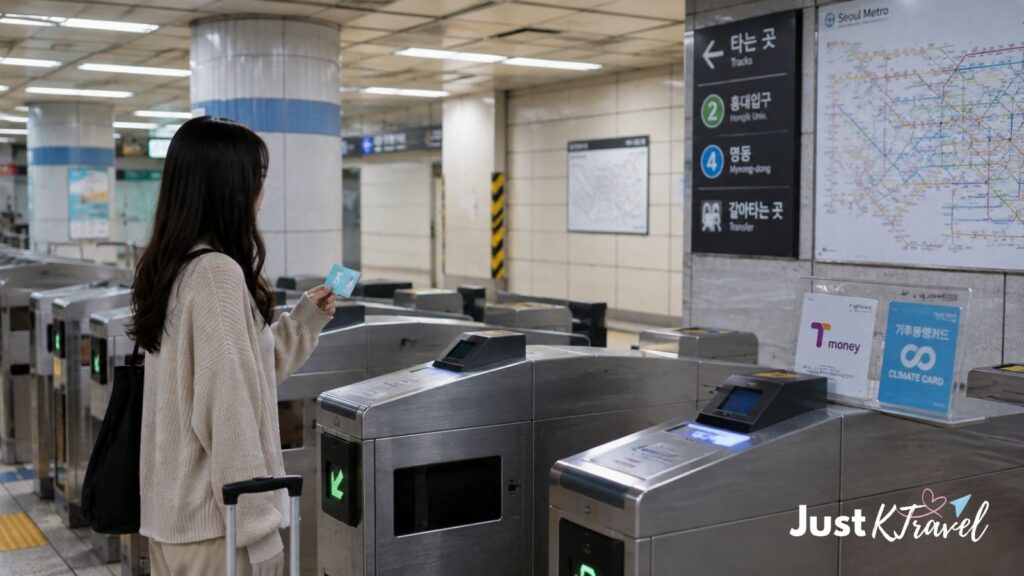
For everyday travel around Seoul, both are affordable, so I wouldn’t choose one over the other based on a small fare difference. What matters more to me is whether the route saves me time and unnecessary walking.
💳 T-money or Climate Card?
For most first-time visitors, a T-money Card is the flexible option because you can use it for public transportation and continue using it when traveling outside Seoul.
The Climate Card can make sense if you’re staying mainly in Seoul and using public transportation frequently.
If your itinerary looks something like:
Seoul → Busan → Seoul → Jeonju
I’d personally lean toward T-money.
For a detailed comparison:
🇰🇷 T-money Card vs Climate Card Seoul: Which Transportation Card Should You Buy? (2026 Guide)
Transportation is also part of your overall Korea travel budget.
If you’re wondering how much to budget for food, transportation, attractions and other daily expenses, see my 💳 How Much Money to Bring to Korea (2026 Budget Guide for First-Time Visitors).
⏱️ 3. Which Is Faster: Subway or Bus?
For longer trips around Seoul, I usually trust the subway more because traffic doesn’t affect it. But I don’t automatically choose the subway.
Here’s an example.
🚇 Subway
10-minute walk
→ 20-minute subway
→ transfer
→ 10-minute walk
🚌 Bus
5-minute walk
→ 25-minute direct bus
→ 2-minute walk
The bus takes longer on the road, but the overall journey is shorter.
This is why I always look at the walking time and transfers before deciding. If the bus is only a few minutes slower but saves me a long walk and a transfer, I’ll usually take the bus.
🧳 4. Which Is Better With Luggage?
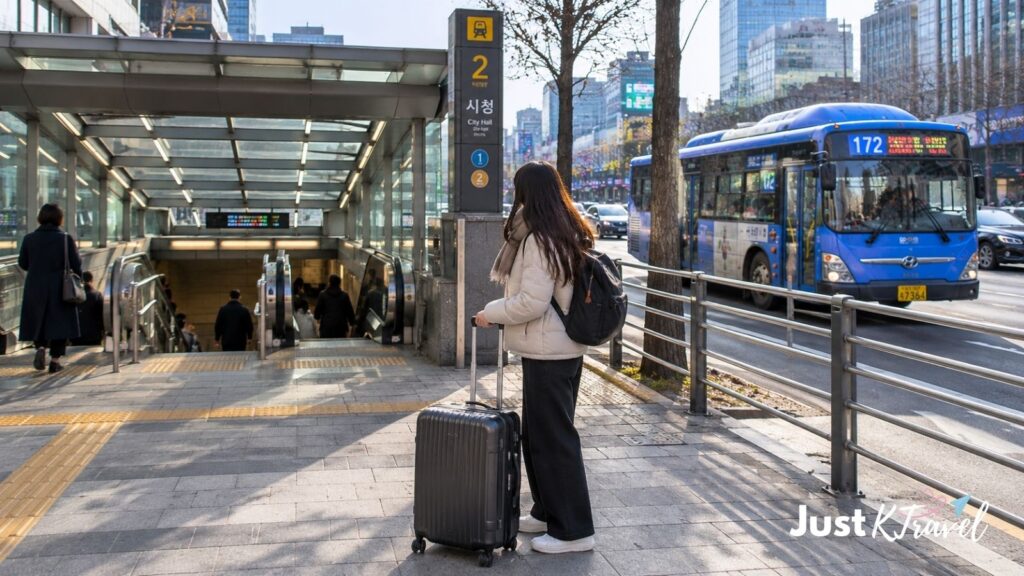
If I have a large suitcase, I’m much more conscious of the route.
Seoul subway stations can involve:
Stairs
Escalators
Long underground corridors
Crowded platforms
Multiple exits
After an international flight, that can get tiring very quickly. If there’s a simple bus route close to my hotel, I may prefer that instead.
However, buses aren’t always perfect with luggage either, especially when they’re crowded. So I check the route and time of day before deciding.
✈️ Arriving from Incheon Airport
For your first arrival in Korea, I wouldn’t make the journey unnecessarily complicated just to save a little money.
Depending on where your hotel is, you can consider:
AREX – A convenient choice if your hotel is easy to reach from Seoul Station or another AREX-connected area.
Airport Limousine Bus – Worth considering if there’s a stop close to your hotel, especially when you have luggage.
Airport Transfer – A good option if you’d rather go directly from the airport to your hotel without changing transportation. You can check airport transfer options on Klook.
Taxi – Convenient if you’re arriving late, traveling with family, or carrying several pieces of luggage.
For the full breakdown:
✈️ How to Get from Incheon Airport to Seoul: Complete Airport Transfer Guide
👨👩👧 5. Which Is Better for Families?
For families, I would focus less on whether the subway or bus is technically better and more on how much walking and how many transfers you’ll have. The subway is great for longer journeys, especially when there’s a simple route. A bus can be much easier when it’s direct and drops you close to your destination.
If you’re traveling with a stroller, check the route before leaving. Some subway stations have elevators, but the elevator may not be located right beside the exit you need. And remember: Seoul involves a lot of walking, even when you’re using public transportation. That’s one reason I recommend choosing your hotel carefully.
If you’re traveling with a family and want to make some sightseeing days easier, a private car charter or local tour with a guide can also be worth considering, especially when you’re visiting several places in one day.
If you’d like my recommendation for a local tour guide, feel free to message me and I’ll be happy to share the options I recommend.
You can also check private car charter and local tour options on Klook and see if one fits your itinerary.
🌧️ 6. Subway or Bus on a Rainy Day?
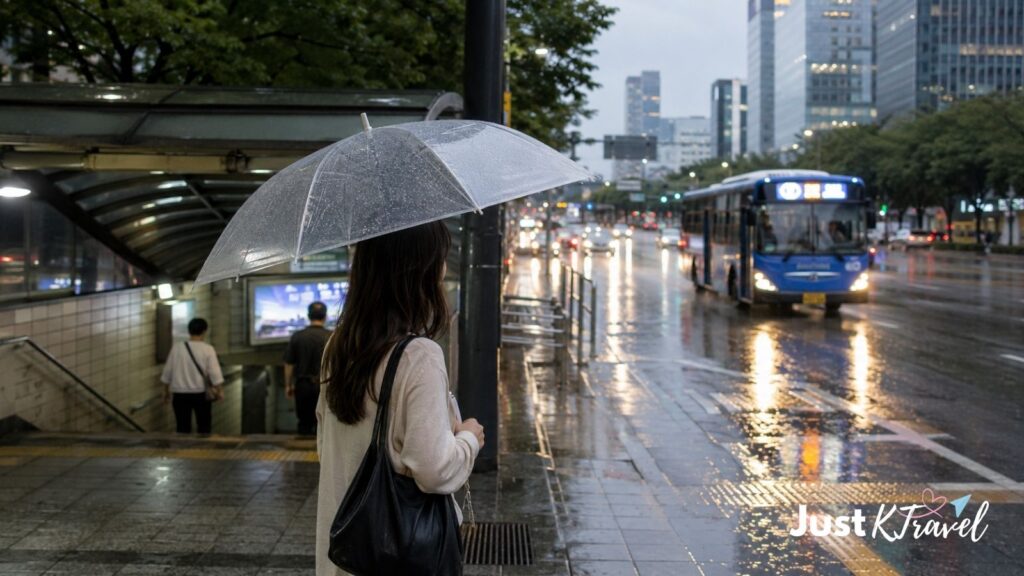
On rainy days, I usually look at walking time first.
For example:
10-minute walk → subway → 10-minute walk
versus
3-minute walk → direct bus → 3-minute walk
I’d probably take the bus, even if it takes a few minutes longer. But if the bus requires waiting outside in heavy rain while the subway keeps most of the journey underground, I’ll take the subway.
The same thinking applies during winter and summer. When it’s freezing outside in winter, I don’t always want to stand at a bus stop if there’s an easy subway route. In summer, especially on hot and humid days, I also prefer routes with less walking and waiting outside. Sometimes taking the subway is worth it simply because I can stay out of the heat for longer.
So when choosing between the subway and bus, don’t just look at travel time. Think about how much time you’ll actually spend walking and waiting outdoors.
And once you’ve figured out how to get around, there’s plenty more to explore beyond the usual shopping stops. If you’re looking for ideas, check out my guide to 🇰🇷 Things to Do in South Korea Besides Shopping: Unique Korean Experiences You Shouldn’t Miss.
🏨 7. Your Hotel Location Can Change Everything
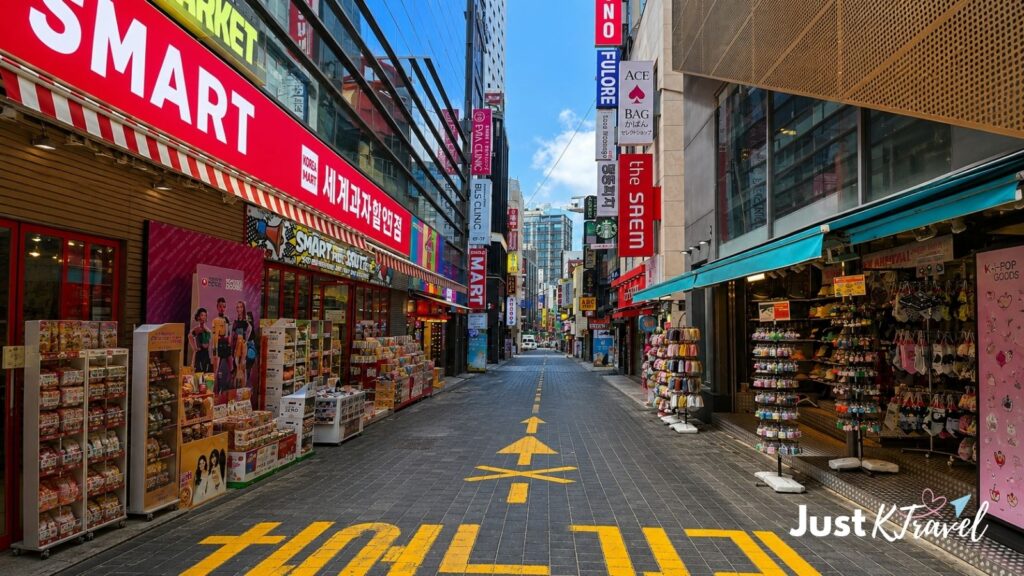
This is something I wish more first-time visitors considered when booking accommodation.
Don’t only ask:
“Is my hotel near a subway station?”
Also ask:
“How easy will it be to get back here after a full day of sightseeing?”
A hotel can be close to a station but still involve a long walk, stairs or a hill.
After spending the whole day walking around palaces, shopping areas and cafés, that last 15-minute walk can feel very different. 😂
For first-time visitors, popular areas to consider include:
📍 Myeongdong
Convenient for central sightseeing, shopping and food.
📍 Hongdae
Great for cafés, shopping, nightlife and transportation.
📍 Jongno / Insadong
A good base for palaces, traditional neighborhoods and cultural attractions.
📍 Gangnam
Worth considering if many of your plans are in southern Seoul. There isn’t one perfect neighborhood for everyone. Your itinerary should help decide where you stay.
If you’re still deciding where to stay, you can also compare hotels in Seoul on Agoda and look for one that’s convenient for the places you plan to visit Read my full neighborhood guide: 🏨 Best Areas to Stay in Seoul for First-Time Visitors (2026 Guide)
🚌 8. When Should You Take the Bus Instead?
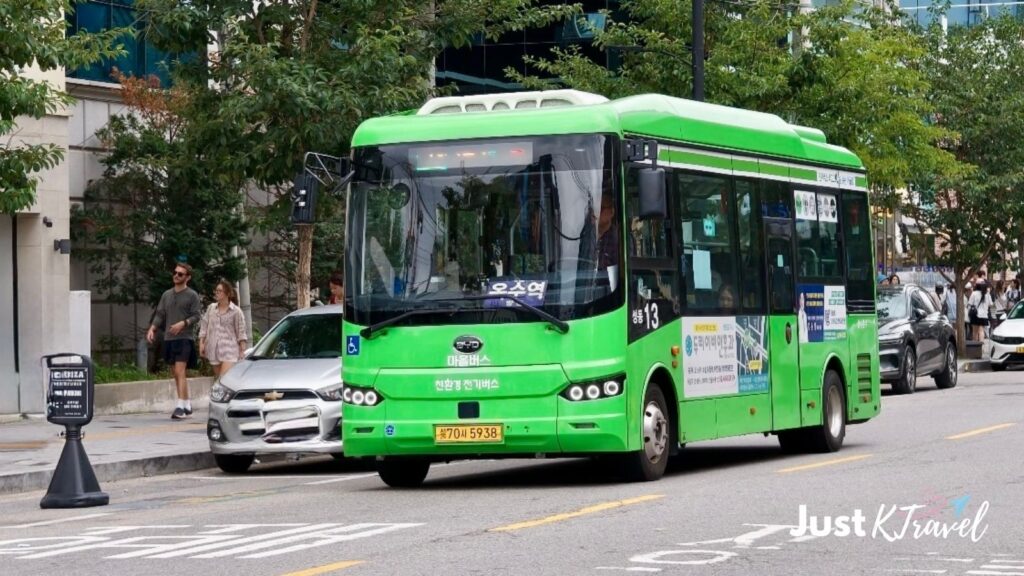
After using Seoul’s transportation system for years, these are the situations where I personally check the bus first:
There’s a direct bus
If I can sit on one bus instead of making two subway transfers, that’s an easy choice.
The bus stop is closer
This is probably the biggest reason I choose the bus.
My destination is far from a subway station
Not every attraction is conveniently located beside a subway station.
I’m going somewhere hilly
Sometimes it’s nice to let the bus do the climbing. 😂
I’ve already walked all day
If I’ve already walked 15,000 steps, I don’t really want another 15-minute walk just because the subway is slightly faster.
I want to see Seoul
One thing I like about buses is that you actually get to see the city. You pass neighborhoods, cafés, markets, apartment buildings and everyday streets that you’d completely miss underground.
🚇 9. When Should You Take the Subway?
I usually choose the subway when:
- I’m crossing Seoul
- Traffic is heavy
- I’m traveling during rush hour
- The destination is close to a station
- The route has few transfers
- I want a predictable travel time
If both options are similar, I’ll often choose the subway during busy periods because I don’t have to worry about road traffic.
🚄 10. Traveling Outside Seoul: KTX vs Express & Intercity Bus
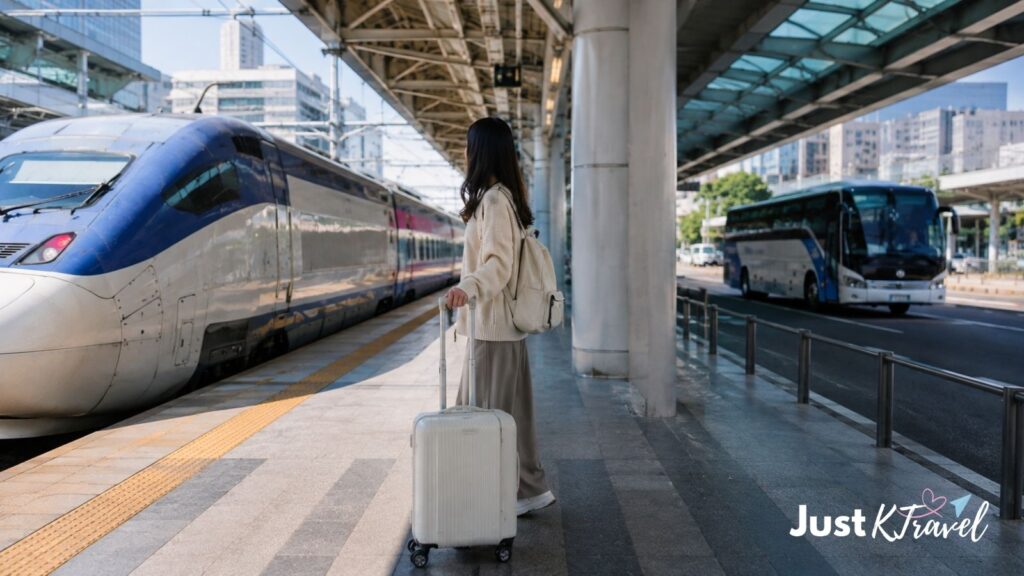
Once you start planning trips outside Seoul, you’ll be choosing between KTX and long-distance buses as well.
After taking trips around Korea, my rule is pretty simple:
🚄 KTX when speed matters.
🚌 Express or intercity bus when the bus route is more convenient.
Trip Type | 🚄 KTX / Train | 🚌 Express / Intercity Bus |
Major cities | ⭐⭐⭐⭐⭐ | ⭐⭐⭐⭐ |
Smaller destinations | ⭐⭐⭐ | ⭐⭐⭐⭐⭐ |
Speed | Usually faster | Usually slower |
Traffic | No traffic delays | Traffic can affect journey |
Comfort | Spacious | Comfortable, especially premium buses |
Best advantage | Saves time | Wider regional coverage |
For example, if I’m going to Busan and want to maximize my sightseeing time, I’d normally choose KTX.
Seoul to Busan takes around 2.5–3 hours, depending on the train, which makes it particularly useful for a short trip. For places such as Sokcho and some smaller regional destinations, a bus can make more sense.
I also check where the terminal is.
If the bus terminal is much easier to reach from my hotel and the journey isn’t dramatically longer, I may choose the bus instead.
🚄 KTX
If you’re planning a popular day trip, especially on a weekend or during a busy travel period, I’d book ahead rather than leave an important journey until the last minute.
🚄 Check KTX & Korea Rail Tickets on Klook
🚌 Express & Intercity Bus
For destinations where rail isn’t as convenient, check express and intercity bus routes.
🚌 Check Korea Express & Intercity Bus Tickets on Klook
My biggest tip is to compare the whole journey, not just the train or bus travel time:
Hotel → station/terminal → train/bus → destination → local transportation
📱 11. How I Use Naver Map
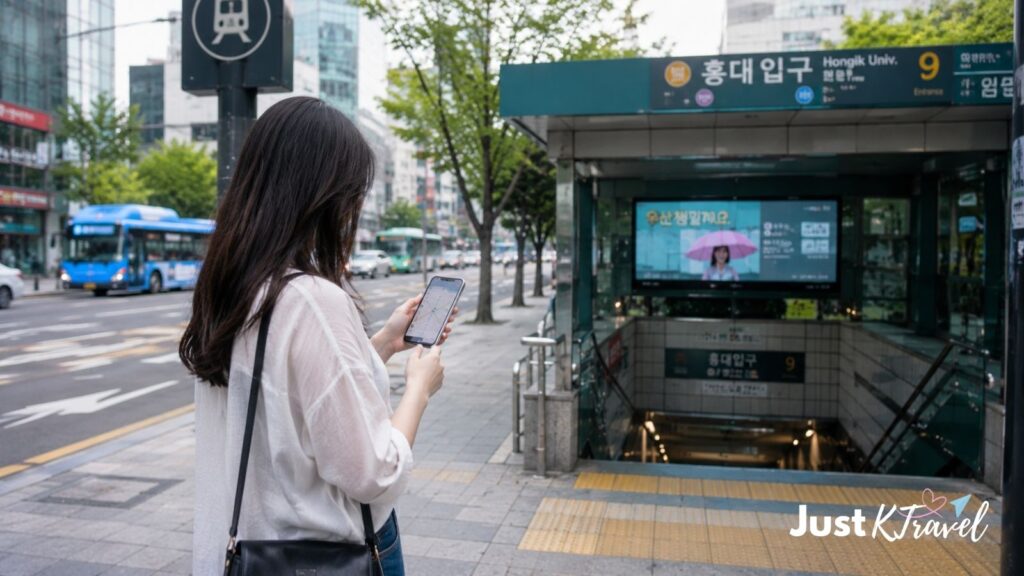
If you’re visiting Korea for the first time, download Naver Map before your trip. It’s the app I rely on most for checking transportation.
I use it to compare:
- Subway routes
- Bus routes
- Walking time
- Transfers
- Bus stops
- Subway exits
- Arrival times
When I check a route, I don’t automatically choose the first or fastest result. I look at the walking time and number of transfers too.
For example:
25 minutes + two transfers
versus
29 minutes + direct bus
I’ll usually take the direct bus.
Four extra minutes isn’t much compared with changing transportation twice.
For more useful apps:
✈️📱 15 Essential Apps to Download Before Your Korea Trip (2026 Tourist Guide)
💡 12. My Practical Seoul Transportation Tips
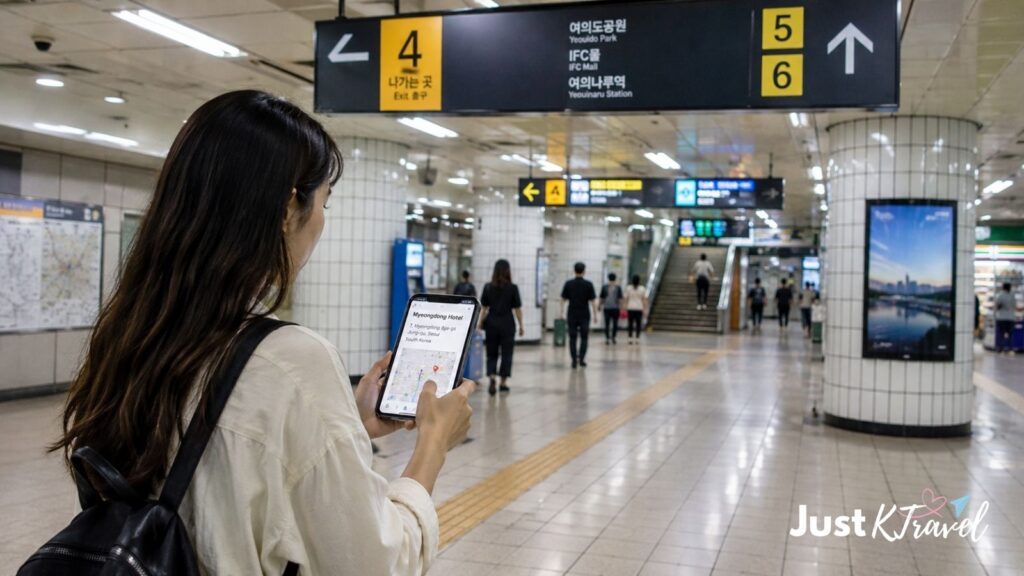
These are the little things I’ve learned from actually using public transportation here.
Check the subway exit
Don’t wait until you’re inside the station to figure out where you’re going.
If Naver Map gives you an exit number, pay attention to it.
The wrong exit can mean a surprisingly long walk.
Double-check buses
Especially if you’re new to Seoul, check the bus number and direction before boarding.
This is the mistake I made several times when I was still learning. 😅
Don’t underestimate walking
A route can look easy on a map but still involve a lot of walking.
Wear comfortable shoes.
Give yourself extra time
If you have a restaurant reservation or attraction ticket, don’t plan to arrive with only five minutes to spare.
Give yourself time to find the station, exit and entrance.
Keep your phone charged
Your phone is going to be extremely useful in Korea.
You’ll probably use it for Naver Map, Papago, tickets, reservations and messaging.
A portable charger can save you when your battery starts getting low.
Save your hotel’s Korean address
This is particularly useful when taking taxis or asking someone to confirm your destination.
📱 Don't Forget Your SIM or eSIM
Having internet access is especially important when you’re relying on Naver Map.
You don’t want to arrive in Seoul, leave the subway station and suddenly discover that your data isn’t working. 😅
Before your trip, arrange your SIM, eSIM or Pocket WiFi so you can use maps as soon as you arrive.
📱 Best SIM Card, eSIM or Pocket WiFi for Korea? (2026 Tourist Guide)
🚕 13. When Should You Just Take a Taxi?
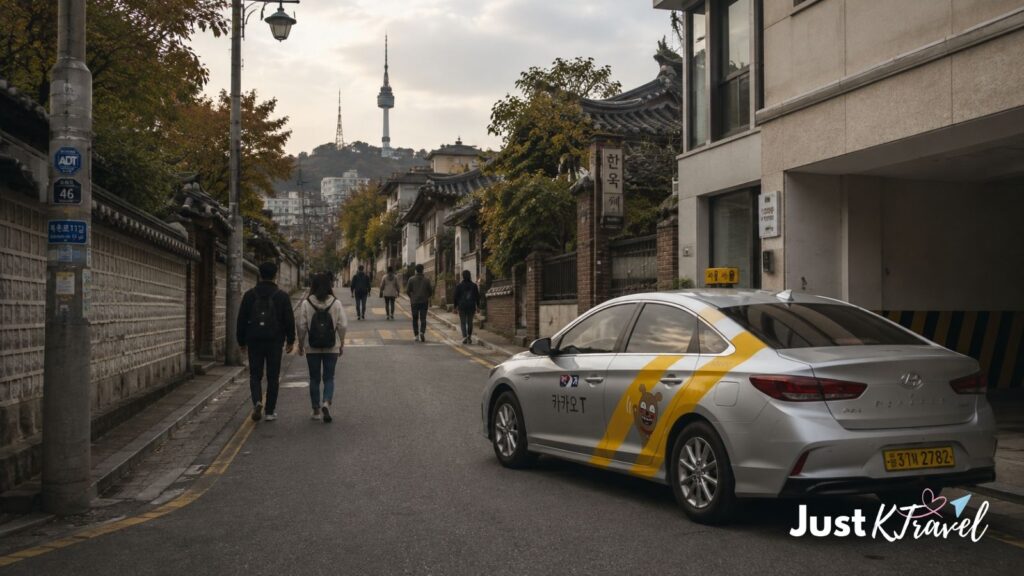
Sometimes, the best option is neither the subway nor the bus.
Just take the taxi.
I usually consider a taxi when:
I’m exhausted
I have heavy luggage
It’s late
I’m traveling with family
The public transportation route has too many transfers
The destination is awkward to reach
After a full day of sightseeing, I’m not going to force myself onto a complicated route just to save a little money.
Sometimes the convenience is worth it. For taxis in Korea, having Kakao T on your phone is useful.
🎟️ Activities and Day Trips

Once your transportation is sorted, you can start planning the fun part: what you actually want to see and do in Korea.
If you’re visiting Seoul for the first time, I recommend starting with activities inside Seoul, then choosing a day trip or two based on your interests and time.
🏙️ Activities in Seoul
🎠 Lotte World
If you enjoy theme parks, Lotte World is an easy addition to a Seoul itinerary because it’s located within the city. It’s especially convenient for families or anyone who wants a theme-park day without traveling far.
You can check Lotte World tickets on Klook.
👘 Hanbok Rental + Gyeongbokgung Palace
Renting a hanbok is a fun way to experience Gyeongbokgung Palace, especially if you enjoy taking photos. You can also combine it with Bukchon Hanok Village and Insadong.
You can check hanbok rental options on Klook.
🚌 Seoul City Tour Bus
If it’s your first time in Seoul, the Seoul City Tour Bus is an easy way to see several major areas without planning every subway or bus connection yourself.
You can check Seoul City Tour Bus options on Klook.
🏔️ Day Trips from Seoul
When you’re ready to explore outside Seoul, there are plenty of options depending on the season and your interests.
🎢 Everland
Everland is a good choice for a full theme-park day. Since it’s outside central Seoul, transportation takes a little more planning than Lotte World.
You can check Everland tickets and shuttle options on Klook.
🍁 Hwadam Forest — Especially Beautiful in Autumn
If you’re visiting Korea in autumn, I’d consider Hwadam Forest for its beautiful fall foliage. Since autumn is a popular season to visit, check reservations before planning your trip.
You can check Hwadam Forest autumn tours on Klook.
🌊 Nami Island
Nami Island is one of the most popular day trips from Seoul. If you’d rather not plan several transportation connections yourself, an organized day trip can be convenient.
You can check Nami Island day trips on Klook.
🏔️ DMZ Tour
If you’re interested in Korean history, a DMZ tour is worth considering. Because transportation and access can be less straightforward, an organized tour can make the day easier.
You can check available DMZ tours on Klook.
🍂 Seoraksan National Park
For nature lovers, Seoraksan National Park is one of my favorite day trips, especially during autumn when the mountains start changing color.
You can check Seoraksan day trips on Klook.
I recommend booking popular attractions and day trips in advance, especially for weekends, holidays, and peak seasons, as tickets and tours can sell out. ❤️
🧭 Seoul Transportation: What Should You Take?
Still not sure?
Here’s my simple rule:
🚇 Subway — longer journeys, busy roads and predictable travel.
🚌 Bus — direct routes, less walking and destinations away from subway stations.
🚄 KTX — fast trips between major cities.
🚌 Express/intercity bus — regional destinations and routes where the bus is more convenient.
🚕 Taxi — luggage, late nights, exhaustion or when you simply want an easier journey.
You don’t need to become an expert before your trip.
Start with the subway, use Naver Map, and gradually try buses when you’re comfortable.
Yes — I’d shorten the answers slightly while keeping them useful for SEO and first-time visitors.
❓ Seoul Subway vs Bus FAQs
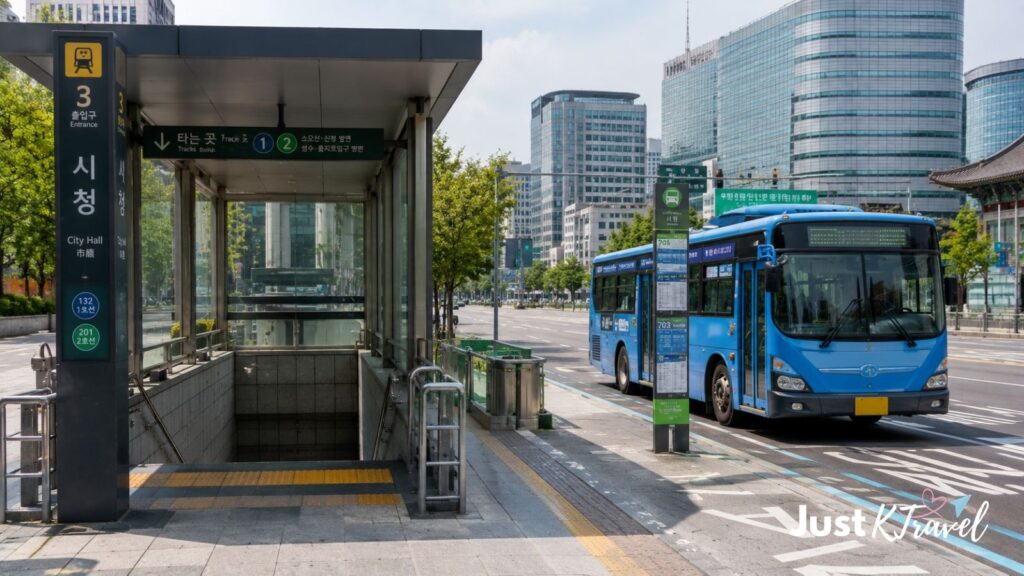
Is the Seoul subway easy for first-time visitors?
Yes. It can look complicated at first, but it becomes much easier once you understand the lines, transfers and exits.
Is the bus harder than the subway in Seoul?
In my experience, yes. I found buses harder to learn and even took the wrong route a few times when I was new to Korea. Naver Map makes them much easier.
Is the subway cheaper than the bus?
Both are affordable for getting around Seoul. I would choose based on convenience, walking distance and travel time rather than a small fare difference.
Should tourists use T-money?
Yes. T-money is a flexible option, especially if you’re visiting destinations outside Seoul.
Is the Climate Card worth it for tourists?
It can be useful if you’re staying mainly in Seoul and using public transportation frequently. Compare it with T-money based on your itinerary.
Can tourists take Seoul buses?
Yes. Tourists can use Seoul’s regular city buses with a suitable transportation card.
Should I use Naver Map in Korea?
I highly recommend it. I use Naver Map to check subway routes, buses, walking directions, transfers and subway exits.
Is KTX better than an express bus?
Not always. KTX is usually better when speed matters, while an express or intercity bus can be more convenient for some regional destinations.
Is Seoul to Busan better by KTX or bus?
For most visitors, I’d choose KTX when saving time is the priority. Also consider the journey from your hotel to the station and from Busan Station to your final destination.
Should I book KTX tickets in advance?
Yes, especially for weekends, holidays and busy travel periods. Booking ahead is a good idea if your itinerary depends on a specific departure.
Is Seoul public transportation safe?
Yes. Seoul’s public transportation is widely used by locals and visitors. As with any busy city, keep an eye on your belongings in crowded areas.
elit. Ut elit tellus, luctus nec ullamcorper mattis, pulvinar dapibus leo.
🇰🇷 Final Thoughts
After living in Korea, I’ve stopped thinking of the subway or bus as the “better” option. I just choose whichever makes the journey easier that day.
Subway when I want speed and predictability, bus when it saves me walking, KTX when I’m heading outside Seoul, and a taxi when I’m tired.
Once you get comfortable with Naver Map, Seoul’s transportation system becomes much less intimidating — and you’ll spend more time exploring and less time worrying about how to get there. ❤️
🧳 More Korea Guides for First-Time Visitors
Planning your first Korea trip? These guides can help you put everything together:
🇰🇷 Your First 24 Hours in Seoul (2026 Step-by-Step Survival Guide for First-Time Travelers)
🇰🇷 Korea Travel Checklist: Everything You Need Before Your Trip (2026 Guide)
💳 How Much Money to Bring to Korea (2026 Budget Guide for First-Time Visitors)
💳 Cash vs Card in Korea: What Most Travelers Actually Use (2026 Guide)
💸 Best Place to Exchange Money in Korea: Airport vs Myeongdong vs ATM (2026 Guide)
🌊☀️ Best Areas to Stay in Jeju for First-Time Visitors (2026 Guide)
🏖️ Best Areas to Stay in Busan for First-Time Visitors (2026 Guide)