
🍂 Best Autumn Foods & Festivals in Korea: Complete Guide for Travelers
By Richelle (JustKTravel) • Updated July 2026
Table of Contents
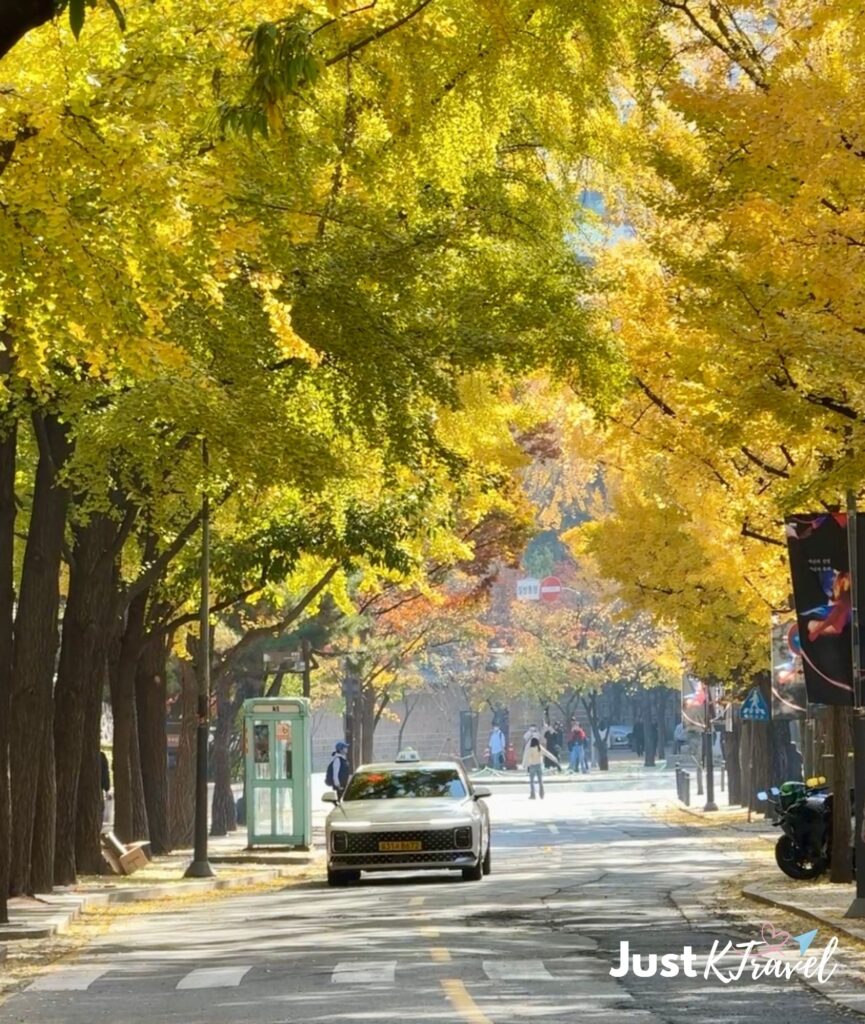
ToggleAutumn is one of the most beautiful seasons to visit in South Korea. While many travelers plan their trip around colorful autumn foliage, there is another side of Korean fall that is just as memorable — the seasonal food, local markets, and cultural events that come with the cooler weather.
From warm roasted sweet potatoes enjoyed on a chilly evening to fresh Korean pears and persimmons sold at local markets, autumn is a season when you can experience Korea through its flavors.
Living in South Korea, autumn is one of my favorite times of the year. The weather is comfortable enough for long walks, outdoor cafés become more enjoyable, and seasonal foods start appearing everywhere — from traditional markets to convenience stores and cafés.
Many first-time visitors focus only on where to see autumn leaves in Korea, but trying local seasonal foods is one of the easiest ways to experience everyday Korean culture.
If you are planning a fall trip to Korea, I recommend combining your foliage sightseeing with seasonal food experiences and local festivals to make your trip even more memorable.
You may also find these guides helpful:
Arriving during Korea’s busy autumn season? Booking your airport transfer in advance can make your first day much easier, especially after a long flight.
🍂 Autumn Weather and Food Season in Korea
Korea’s autumn season changes quickly from September to November. Early autumn can still feel warm, while November brings cooler temperatures and more comforting foods.
Month | Weather | Seasonal Experience |
September | Warm afternoons with cooler mornings and evenings | Chuseok season, early harvest foods, outdoor activities |
October | Cool and comfortable weather | Peak autumn foliage, festivals, markets, seasonal desserts |
November | Colder mornings and evenings | Warm street foods, roasted snacks, café desserts |
The best time to enjoy Korean autumn foods and seasonal events is usually from October to early November, when the weather is ideal for exploring markets, parks, and festivals.
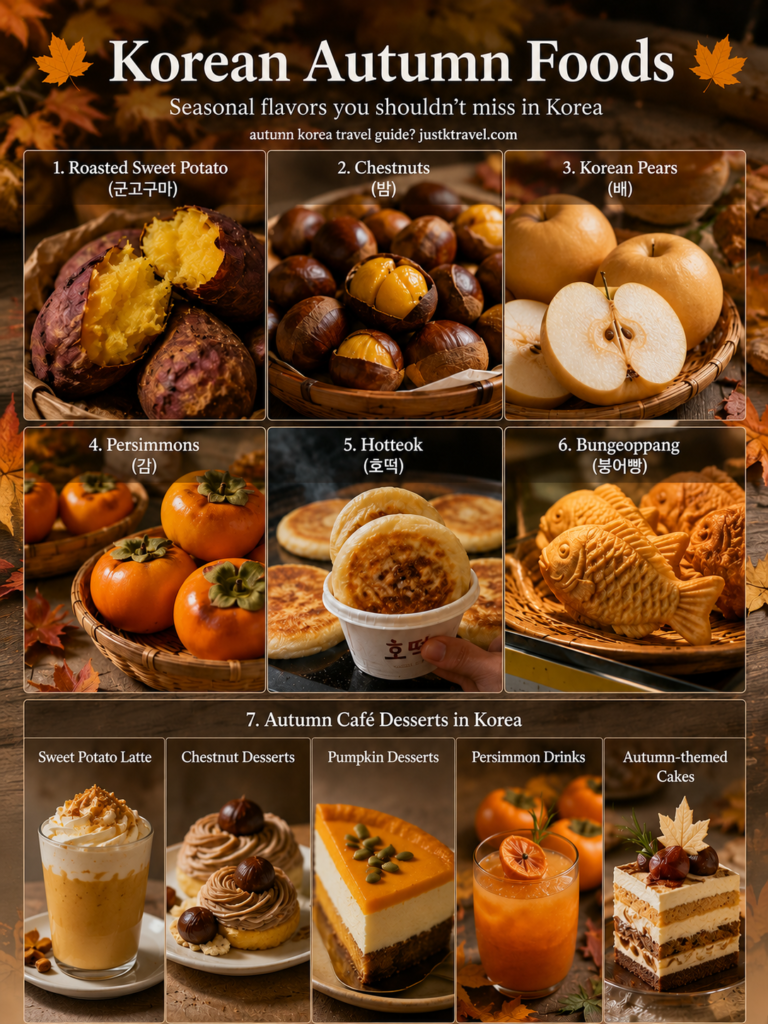
🍠 1. Roasted Sweet Potato (군고구마)
One of the most nostalgic Korean fall and winter snacks is gun-goguma (군고구마), or roasted sweet potato.
When temperatures start dropping, you may notice small street stalls selling sweet potatoes roasted inside large metal drums. The sweet smell coming from these stalls is something many Koreans associate with colder seasons.
They are:
naturally sweet
warm and comforting
affordable
easy to enjoy while walking
For many locals, buying a roasted sweet potato during an evening walk is a simple but memorable seasonal experience.
Where to try roasted sweet potato in Korea:
Traditional markets
Local neighborhoods
Street food areas
Some convenience stores during colder months
Richelle’s Tip:
Try one while exploring a Korean neighborhood or after visiting an autumn attraction. It is a small experience, but it feels very local.
🌰 2. Chestnuts (밤)
Autumn is chestnut season in Korea, and you will start seeing chestnut-flavored products appear in markets and cafés.
Popular autumn chestnut treats include:
roasted chestnuts
chestnut bread
chestnut cakes
chestnut drinks
seasonal café desserts
Chestnuts are closely connected with Korea’s harvest season and are often enjoyed during family gatherings and traditional holidays. If you visit Korea during October or November, check seasonal café menus because many places release limited-time autumn desserts featuring chestnuts.
🍐 3. Korean Pears (배)
Korean pears are one of the most popular fruits to enjoy during the fall season.
Unlike smaller pears commonly found in other countries, Korean pears are known for being:
large
extremely juicy
crisp
naturally sweet
They are especially important during Chuseok (Korean Thanksgiving), when families often prepare fruit as part of holiday traditions and gift exchanges.
You can find Korean pears at:
Traditional markets
Supermarkets
Fruit shops
Department store food halls
Richelle’s Tip:
If you want to try seasonal Korean fruits, visiting a traditional market is a great way to see what locals are buying during autumn.
🍊 4. Persimmons (감)
Persimmons are another fruit that represents autumn in Korea. During fall, you will often see bright orange persimmons at markets, farms, and even hanging outside countryside homes.
There are two popular types:
Sweet Persimmons (단감)
Crisp texture
Fresh and crunchy
Usually eaten as a fruit
Dried Persimmons (곶감)
Softer texture
Naturally sweet
Traditional Korean snack
One of the most beautiful autumn scenes in Korea is seeing persimmons drying outside traditional houses in rural areas.
🥞 5. Hotteok (호떡)
Hotteok is a popular Korean street food that becomes even more enjoyable when the weather gets cooler.
This sweet Korean pancake is usually filled with:
brown sugar
cinnamon
chopped nuts
It is:
warm
affordable
easy to find
perfect for walking around during autumn evenings
You can usually find hotteok at:
Traditional markets
Tourist streets
Night markets
Street food areas
Richelle’s Tip:
Hotteok is best enjoyed fresh from the stall when the filling is still warm.
If you want to discover more must-try Korean street foods beyond autumn specialties, check out my guide to 11 Korean Street Foods First-Time Visitors Should Try (Seoul, Busan & Jeju Guide).
🐟 6. Bungeoppang (붕어빵)
Bungeoppang is a fish-shaped Korean pastry that starts appearing as the weather becomes colder.
The traditional filling is sweet red bean paste, but many modern versions include:
custard
sweet potato
chocolate
Although it is more common during late autumn and winter, many street stalls begin selling bungeoppang around October. It is one of the most popular Korean winter street snacks and a favorite among locals.
☕ 7. Autumn Café Desserts in Korea
Korea’s café culture becomes even more enjoyable during fall.
Many cafés introduce seasonal menus inspired by autumn ingredients, including:
sweet potato latte
chestnut desserts
pumpkin desserts
persimmon drinks
autumn-themed cakes
Many cafés also decorate their spaces with autumn themes, making them popular stops for travelers looking for cozy places to relax after sightseeing. If you are exploring Korea’s autumn foliage spots, adding a local café visit to your itinerary is a great way to enjoy the season at a slower pace.
🎆 Best Autumn Festivals & Seasonal Events in Korea (2026 Guide)
Autumn in Korea is not only about beautiful red and yellow foliage. While many travelers visit South Korea during fall to see famous autumn leaves, the season also brings some of the best festivals, cultural experiences, food events, and outdoor activities of the year.
Because the weather becomes cooler and more comfortable, September to November is one of the busiest seasons for local events across Korea. Cities, temples, and traditional villages host everything from harvest celebrations and lantern festivals to night markets and cultural performances.
From my experience living in Korea, autumn is one of the easiest seasons to explore because you can spend the whole day outside without dealing with the extreme heat of summer or the freezing temperatures of winter.
If you are planning an autumn trip to Korea, don’t just visit famous foliage spots. Adding a local festival or seasonal event can help you experience a different side of Korean culture.
Richelle’s Tip:
Festival schedules can change every year, so always check the official event website before visiting. Some popular events also become very crowded during weekends and peak autumn foliage periods.
🌕 1. Chuseok (추석) – Korea’s Harvest Celebration
Festival period: September 24–26, 2026
Best time: September–October (based on the lunar calendar)
Chuseok is one of Korea’s most important traditional holidays and is often compared to Thanksgiving.
In 2026, Chuseok will take place from Thursday, September 24 to Saturday, September 26. During this holiday, Korean families usually travel to their hometowns, spend time with relatives, honor ancestors, and enjoy traditional foods together.
Common Chuseok traditions include:
visiting family hometowns
preparing special holiday dishes
honoring ancestors
sharing seasonal fruits and Korean foods
For visitors, Chuseok can be a unique opportunity to experience Korean traditions through:
cultural programs
hanbok experiences
traditional performances
palace events
folk activities
However, travelers should plan carefully because Chuseok is also one of the busiest travel periods in Korea. Millions of Koreans travel nationwide, which can affect:
KTX train availability
express bus schedules
accommodation prices
traffic conditions
Richelle’s Tip From Living in Korea:
If your Korea trip overlaps with Chuseok, reserve your transportation and accommodation as early as possible. Popular routes between Seoul and other cities can sell out quickly.
You can also read my guides:
Chuseok and peak autumn foliage season can make hotels busy, so booking accommodation early is recommended.
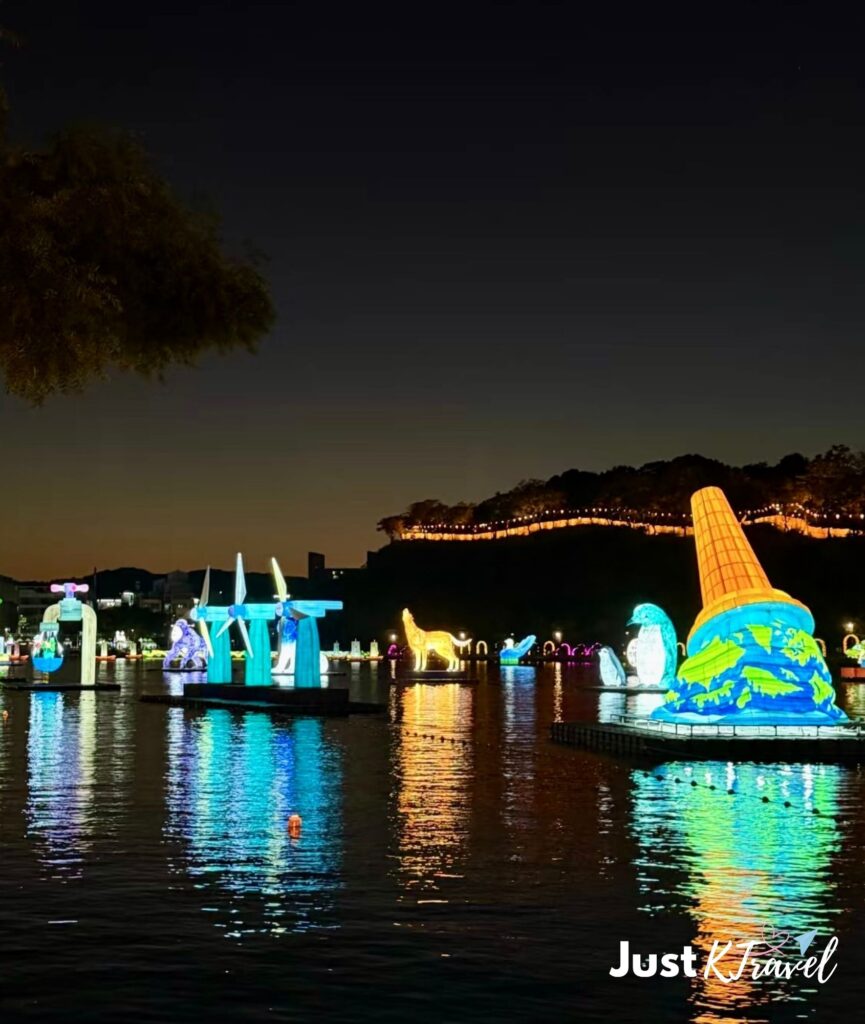
🏮 2. Lantern Festivals – Beautiful Korea Autumn Night Experiences
One of the most magical things to do in Korea during autumn is visiting a lantern festival after sunset. The cooler autumn evenings create the perfect atmosphere for outdoor night events, especially when colorful lights are displayed near rivers, temples, and historic areas.
Visitors can enjoy:
large lantern installations
traditional performances
cultural displays
food stalls
evening walks
photography opportunities
Lantern festivals are especially popular among:
couples looking for romantic evening activities
families traveling with children
photographers
first-time visitors wanting unique Korea experiences
Richelle’s Tip:
Bring a light jacket because autumn nights can feel much colder than the afternoon, especially in October and November.
🎆 3. Fireworks Festivals in Korea
Autumn is one of the best seasons for fireworks festivals in Korea because the cooler weather makes waiting outdoors much more comfortable.
Major fireworks events usually take place in large cities and coastal areas, attracting both locals and tourists. A typical Korean fireworks festival experience includes:
live music performances
food vendors
large crowds
nighttime entertainment
spectacular fireworks shows
📌 2026 Update:
The official dates for some major fireworks festivals, including the Seoul Fireworks Festival, may not be announced yet. There have been reports and discussions that the event schedule could be earlier than usual in 2026, but travelers should wait for the official announcement before making plans.
If you are planning to attend a fireworks festival, check the official event website or tourism pages closer to your travel date for confirmed schedules.
Richelle’s Tip:
Arrive early if you want a good viewing spot. Popular areas can become crowded several hours before the fireworks begin, and transportation may be very busy after the event.
🌾 4. Harvest & Local Food Festivals
Autumn is harvest season in Korea, making it the perfect time to experience local food festivals. While many tourists stay around Seoul, some of the most memorable autumn festivals happen in smaller cities and countryside areas.
These festivals often feature:
seasonal fruits
Korean traditional food
local markets
cooking experiences
cultural performances
handmade crafts
They are a great choice for travelers who want to experience Korea beyond the usual tourist attractions.
Perfect for travelers who enjoy:
Korean food
local experiences
countryside trips
cultural activities
Richelle’s Tip:
If you have extra time during your Korea trip, consider adding a smaller city festival to your itinerary. It can be a completely different experience from busy tourist areas in Seoul.
Many autumn festivals are outside Seoul, and express buses are a convenient way to explore smaller cities.
👉 Express Bus tickets
🏯 5. Cultural Festivals & Traditional Events
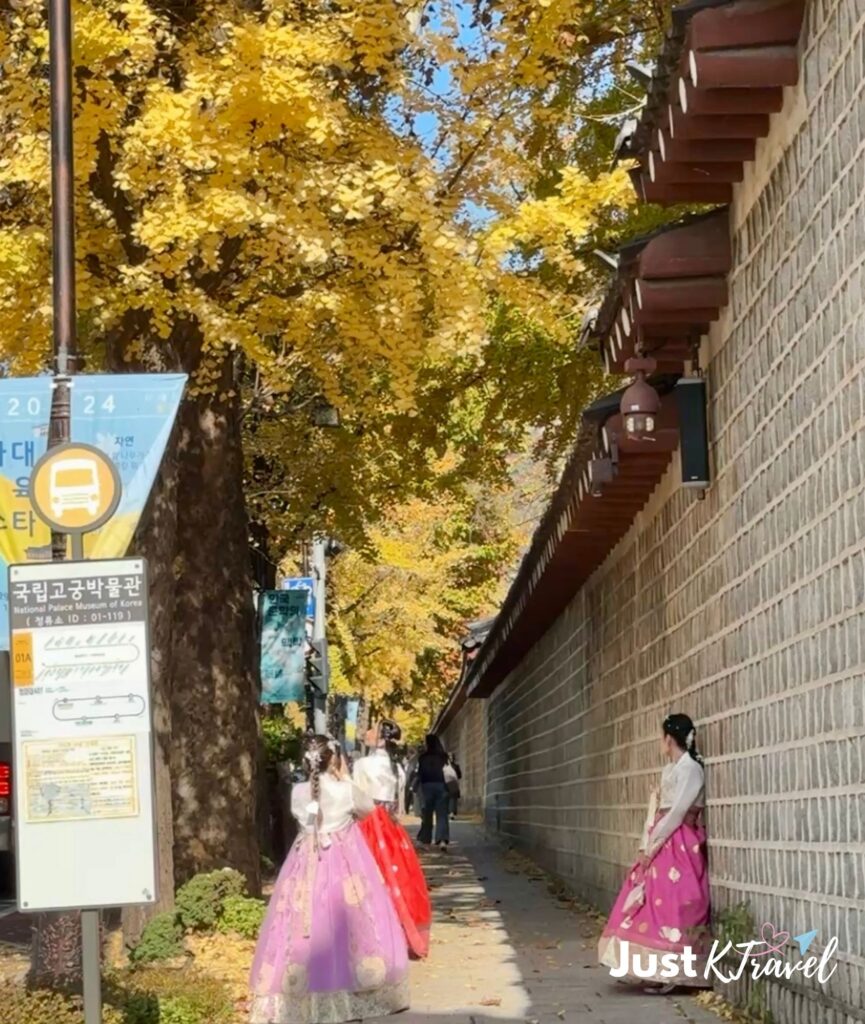
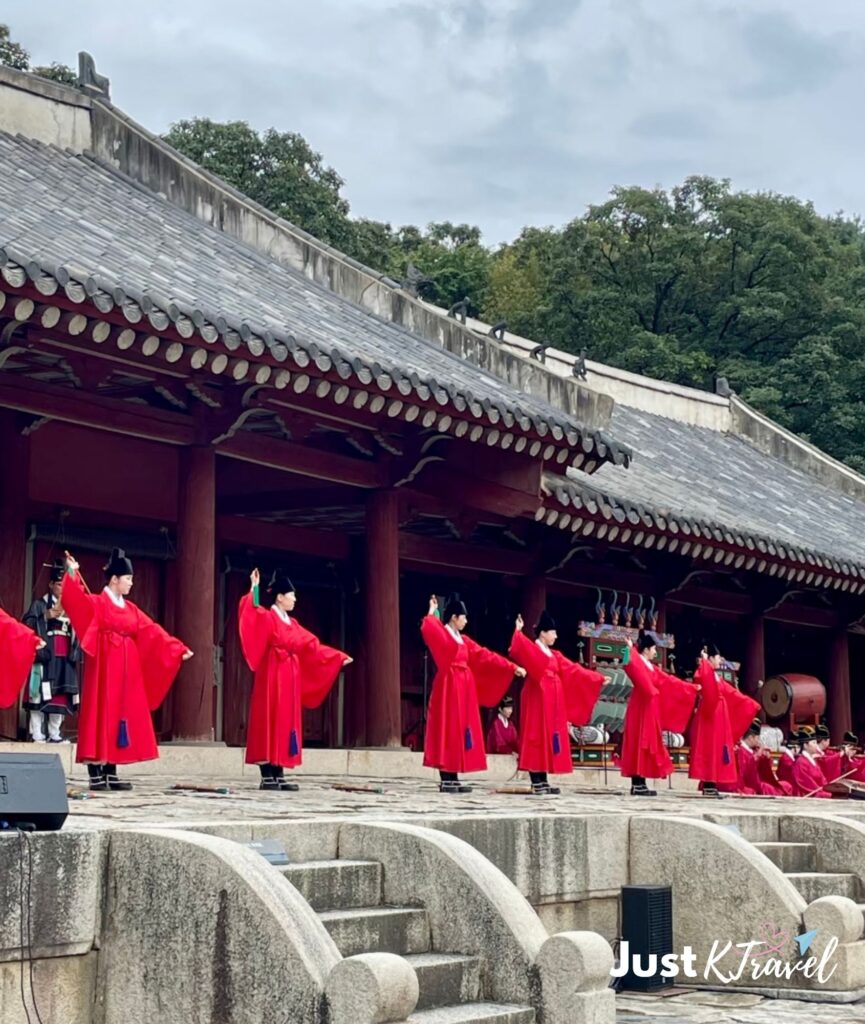
Autumn is also a wonderful time to experience Korea’s history and traditions. Many palaces, traditional villages, and historic cities organize seasonal programs during fall, allowing visitors to experience Korean culture while enjoying beautiful autumn scenery.
You may find:
traditional music performances
Korean craft workshops
royal palace programs
historical reenactments
Popular places for cultural events include:
Seoul palaces
traditional villages
historic cities
temples
These experiences are perfect for travelers who want more than just taking photos of autumn leaves.
Prefer an easier option? Joining an autumn day tour can save time and simplify transportation.
🌙 6. Autumn Night Markets & Outdoor Food Events
Cool autumn evenings are ideal for exploring Korean night markets. After spending the day visiting attractions, many travelers enjoy ending their evening with Korean street food and local snacks.
Night markets usually offer:
Korean street food
desserts
drinks
handmade goods
live entertainment
Popular foods to try include:
hotteok
tteokbokki
Korean fried chicken
grilled snacks
seasonal desserts
Richelle’s Tip:
Night markets are a great option when you want a relaxed evening activity without planning a complicated itinerary.
🛕 7. Temple Autumn Events
Korean temples become especially beautiful during autumn because many are surrounded by colorful mountains and forests.
Visiting a temple during fall allows you to enjoy two experiences at the same time:
beautiful autumn scenery
traditional Korean culture
Some temples offer:
cultural programs
meditation experiences
lantern events
Richelle’s Tip:
Visit early morning or late afternoon for fewer crowds, peaceful surroundings, and better photos.
🍂 Autumn Festivals vs Autumn Foliage in Korea: Which Experience Should You Choose?
Many travelers visit Korea in autumn because of the famous red and golden leaves, but fall offers much more than beautiful scenery. Depending on your travel style, you may prefer spending your trip hiking through colorful mountains, joining a cultural festival, tasting seasonal foods, or experiencing Korea after sunset.
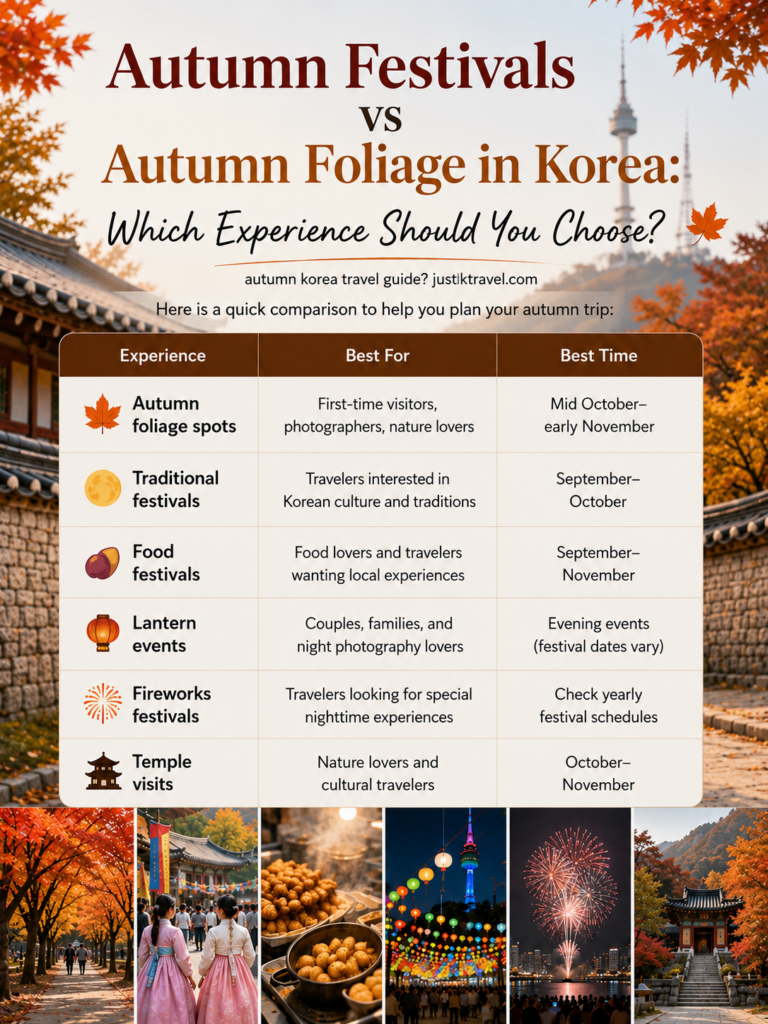
Here is a quick comparison to help you plan your autumn trip:
Experience | Best For | Best Time |
🍁 Autumn foliage spots | First-time visitors, photographers, nature lovers | Mid October–early November |
🌕 Traditional festivals | Travelers interested in Korean culture and traditions | September–October |
🍠 Food festivals | Food lovers and travelers wanting local experiences | September–November |
🏮 Lantern events | Couples, families, and night photography lovers | Evening events (festival dates vary) |
🎆 Fireworks festivals | Travelers looking for special nighttime experiences | Check yearly festival schedules |
🛕 Temple visits | Nature lovers and cultural travelers | October–November |
Richelle’s Tip:
If it is your first autumn trip to Korea, I recommend combining both. Spend your daytime exploring autumn foliage spots, then experience local food, night markets, or cultural events in the evening.
🍁 Popular Autumn Day Trips from Seoul
Autumn is a great time to explore beyond Seoul. Many nearby destinations offer beautiful foliage, cultural experiences, and outdoor activities.
🍂 Nami Island – Famous for tree-lined paths and autumn scenery
🏯 Korean Folk Village – Traditional culture and seasonal programs
🦙 Alpaca World – Countryside nature experience
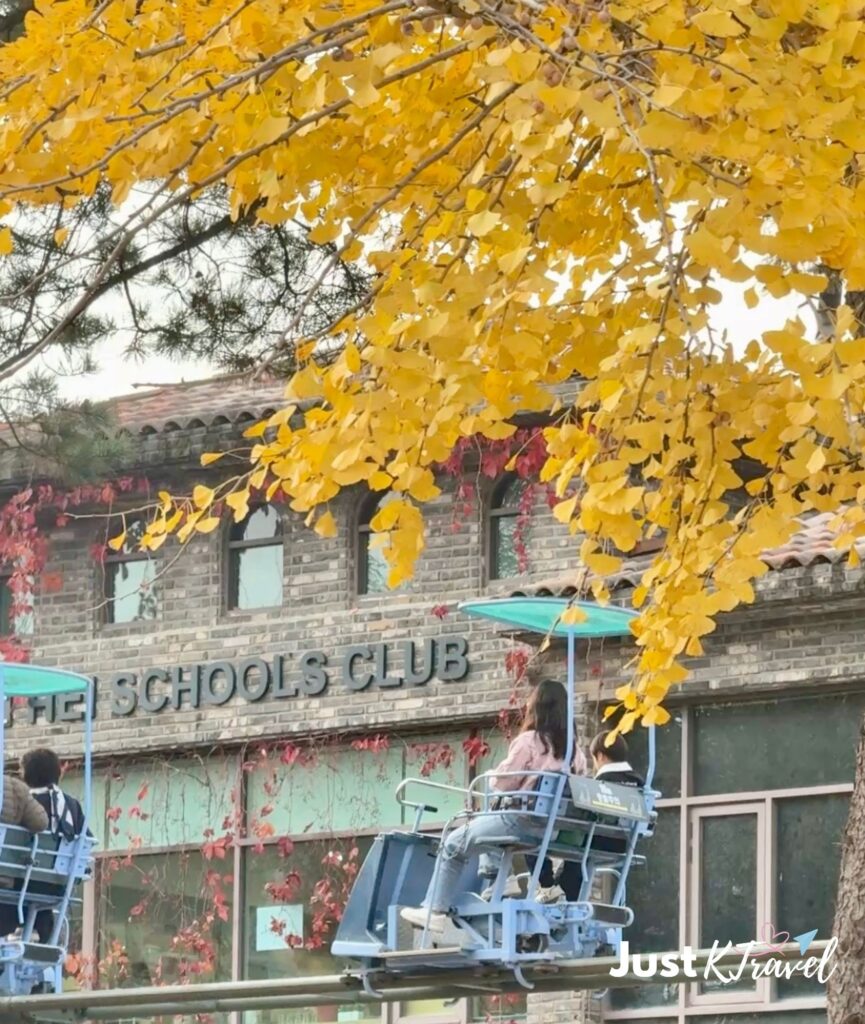
🚂 Gangchon Rail Bike – Scenic autumn ride
🌿 Garden of Morning Calm – Beautiful seasonal gardens
🏰 Suwon Hwaseong Fortress – History and autumn walks
🎢 Everland – Theme park with seasonal events
👉 If you prefer a more convenient trip, joining a guided day tour can be a good option, especially during peak autumn foliage season.
🍂 Helpful Autumn Travel Tips From My Experience Living in Korea
Autumn is one of my favorite seasons in Korea because the weather is comfortable enough to spend the entire day outside. However, there are a few things I always recommend to travelers visiting during this season.
1. Check Festival Dates Before Your Trip
Unlike permanent attractions, festivals usually happen on specific dates and schedules can change every year.
Before visiting, check:
official festival announcements
opening dates
transportation information
crowd expectations
This is especially important for popular autumn festivals and weekend events.
2. Expect Crowds During Peak Season
Autumn is one of Korea’s busiest travel seasons, especially during:
weekends
peak foliage periods
famous photo spots
major festivals
If you want better photos and a more relaxed experience, try visiting popular locations earlier in the morning.
3. Wear Comfortable Shoes
Many autumn experiences involve more walking than travelers expect:
festivals
traditional markets
parks
temples
hiking trails
palace grounds
Comfortable sneakers are one of the most important items to bring for an autumn trip in Korea.
You can also read my guide:
👉 What to Wear in Korea During Autumn (September–November Guide)
4. Bring Layers for Changing Temperatures
Autumn weather in Korea can change throughout the day.
You may feel warm while sightseeing in the afternoon but much colder after sunset.
I recommend bringing:
a light jacket
cardigan or sweater
compact umbrella
comfortable layers
For more packing tips:
👉 Autumn Packing Checklist for Korea
5. Use Public Transportation Whenever Possible
During popular autumn events, roads and parking areas can become very crowded.
Public transportation is usually the easier option, especially in Seoul and other major cities.
Useful options include:
subway
local buses
KTX for longer-distance trips
If you are visiting Korea for the first time, my guide below can help:
👉 15 Essential Apps to Download Before Your Korea Trip
If you plan autumn day trips, book KTX tickets early as popular routes can sell out during peak season.
👉 KTX tickets
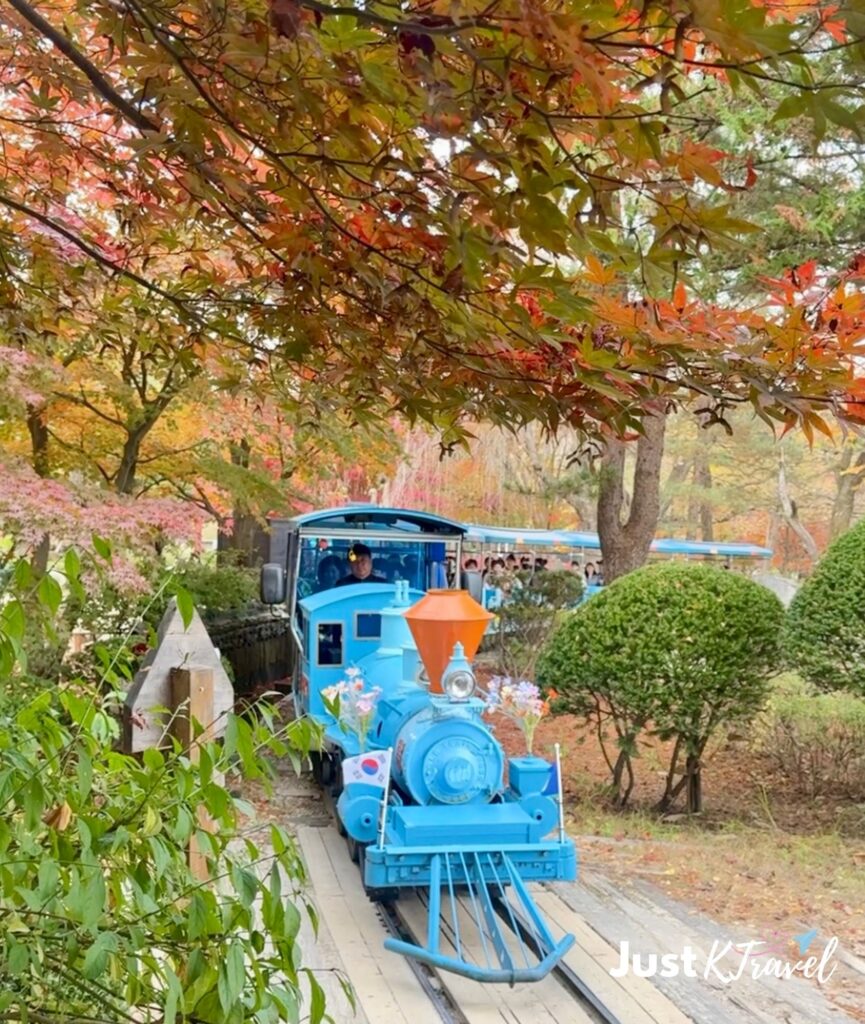
🍁 Useful Korea Autumn Travel Guides
Planning an autumn trip to Korea? These guides may help:
🍁 Where to See Autumn Colors
🏨 Where to Stay in Korea
🚆 Getting Around Korea
❓ Frequently Asked Questions About Autumn in Korea
🍂 Is autumn a good time to visit Korea?
Yes. Autumn is one of the best seasons to visit Korea because of comfortable weather, colorful foliage, seasonal foods, and cultural events.
🍁 What month is autumn in Korea?
Autumn in Korea usually lasts from September to November. October is the most popular month for fall foliage and outdoor activities.
👕 What should I wear in Korea during autumn?
Pack layers. September is still warm, October needs light jackets or sweaters, and November can require warmer coats.
🍂 When is the best time to see autumn leaves in Korea?
The best time is usually mid-October to early November, but peak foliage dates vary by region.
🎆 What are the best autumn festivals in Korea?
Popular autumn events include Chuseok celebrations, lantern festivals, fireworks festivals, cultural events, and local food festivals.
🍠 What food is popular in Korea during autumn?
Popular seasonal foods include roasted sweet potatoes, chestnuts, Korean pears, persimmons, hotteok, and autumn café desserts.
🌕 Does Chuseok affect tourists visiting Korea?
Yes. Transportation and hotels can become busy because many Koreans travel during the holiday. Booking early is recommended.
🚆 Should I book transportation early for autumn travel in Korea?
Yes, especially for KTX and buses during Chuseok, weekends, and peak autumn foliage season.
🏮 Are autumn festivals in Korea free?
Many festivals are free, but some activities or special programs may require tickets.
📸 What are the best things to do in Korea during autumn?
Popular activities include visiting autumn foliage spots, exploring palaces, trying seasonal foods, joining festivals, and visiting traditional villages.
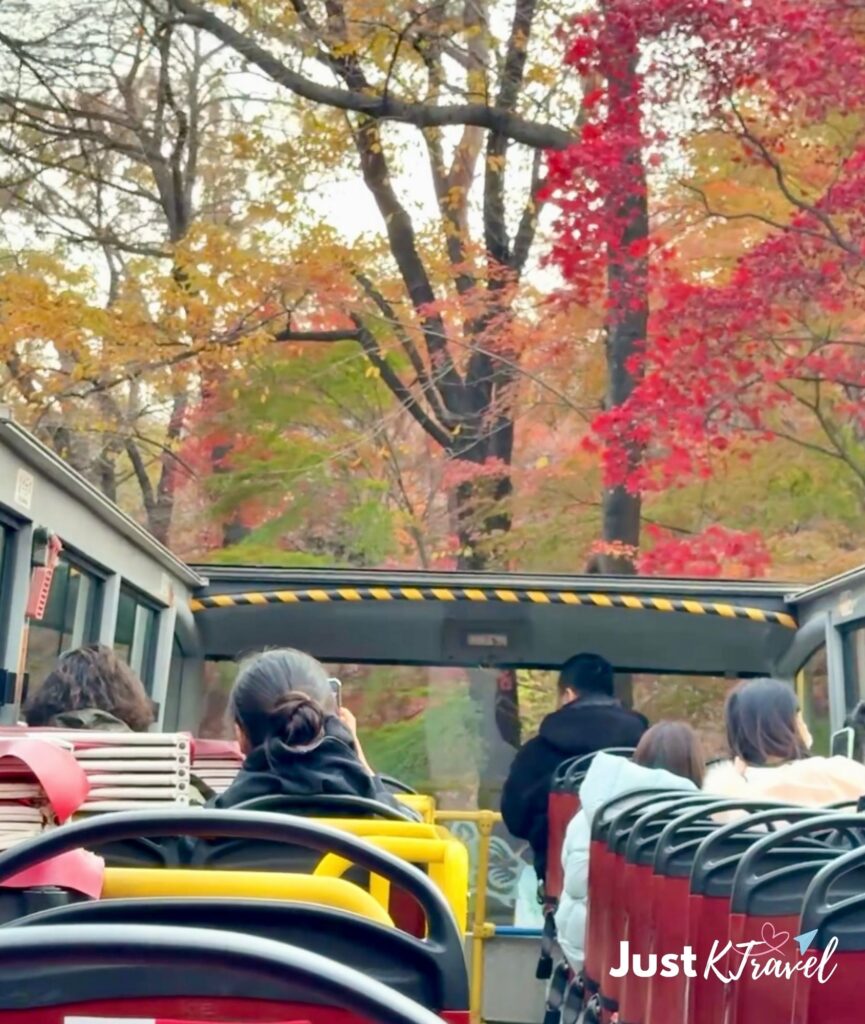
🍂 Final Thoughts
Autumn in Korea is about much more than colorful leaves. While the beautiful fall scenery is one of the biggest reasons travelers visit, the season becomes even more memorable when you experience the food, festivals, and traditions that locals enjoy.
From eating a warm roasted sweet potato on a cool evening to walking through a lantern festival or visiting a temple surrounded by autumn colors, these simple moments often become the memories travelers remember most.
If you are planning an autumn trip to Korea, prepare comfortable clothes, check festival schedules, and leave enough time to explore beyond the famous sightseeing spots.
🍂 Korea’s autumn season offers the perfect combination of nature, culture, food, and unforgettable travel experiences.
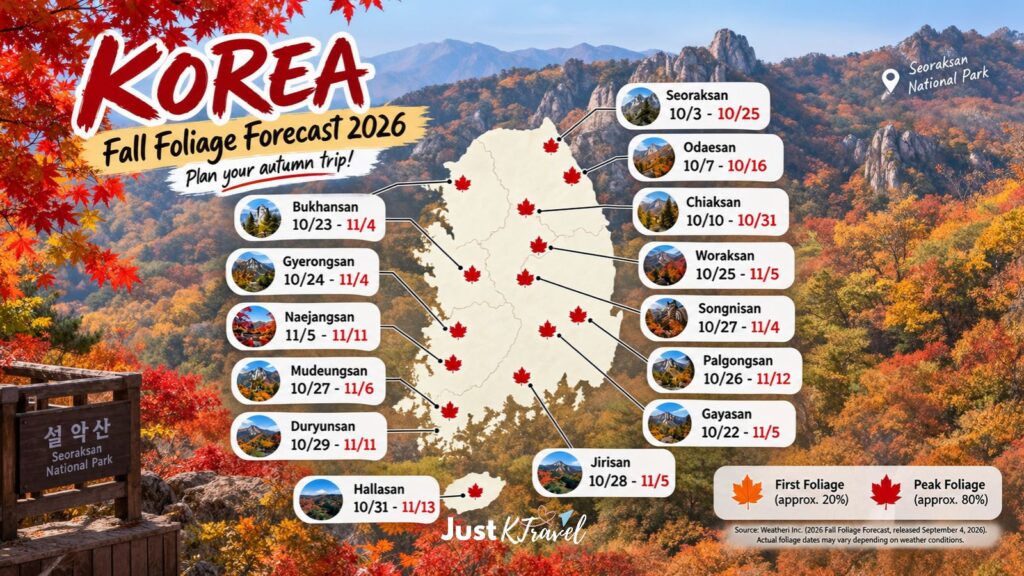
🍁 Planning Your Autumn Trip Around the Foliage? See the 2026 Forecast
Autumn festivals, seasonal food, and fall foliage all make October and November popular months to visit Korea. Foliage timing varies by region, so knowing the expected peak periods helps when planning your dates.
Planning your trip around the fall colors? See the 2026 Korea Autumn Foliage Forecast for the latest expected foliage periods and peak dates across South Korea.
👤 About the Author
Hi, I’m Richelle, the creator of Just KTravel, based in South Korea.
I share simple and practical Korea travel guides from my own experience — including seasonal spots, transport tips, hidden places, and easy itineraries.
I started this blog after visiting Korea as a traveler myself, and now I write to help others plan their trips with less stress and more confidence.
My goal is to make travel to Korea travel easier and more enjoyable for everyone, especially first-time visitors.
🎁 Get My FREE Korea Travel Itinerary
Planning your Korea trip?
💬 Need Help Planning Your Korea Trip?
Have questions about traveling in Korea or planning your itinerary?
Join our Korea Travel Facebook community where travelers share real experiences, tips, and advice on transportation, accommodation, and seasonal travel in South Korea.
Disclosure:
This post may contain affiliate links to services and experiences I recommend based on personal use. If you make a booking through them, I may earn a small commission at no extra cost to you. I really appreciate your support for Just KTravel.